

Upholstery grade fabric is defined as a textile engineered specifically to withstand repeated friction, weight, and daily wear on furniture surfaces. Unlike clothing or drapery fabric, furniture grade fabric meets strict performance standards, including high double-rub abrasion ratings, tighter weave densities, and resistance to seam slippage. The Wyzenbeek abrasion test is the industry benchmark, and residential fabrics must score at least 15,000 double rubs for light use and 30,000 or more for heavy residential settings. Knowing what separates a true upholstery grade textile from a decorative one saves you from costly reupholstery mistakes and helps you invest wisely in pieces that last.
What performance criteria classify a fabric as upholstery grade?
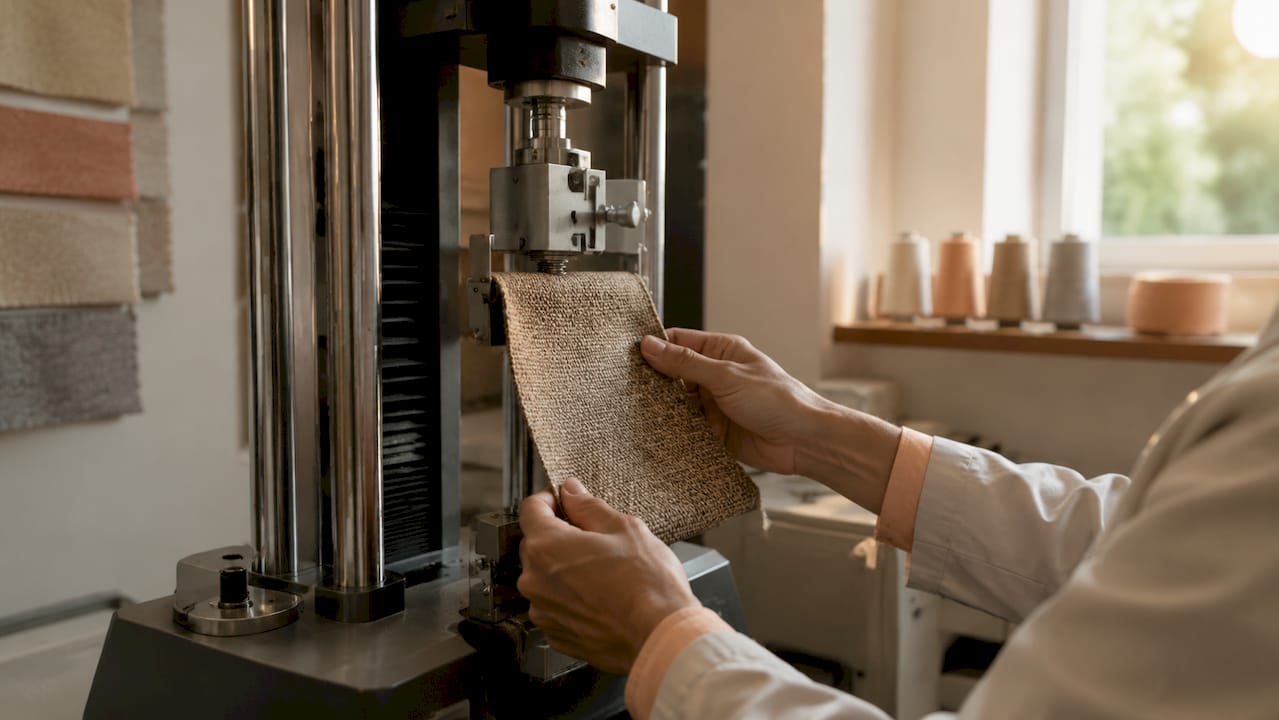
The Wyzenbeek double-rub test is the gold standard for measuring upholstery fabric durability. It counts how many times a piece of cotton duck fabric rubs back and forth across a textile sample before visible wear appears. Residential light use requires 15,000–20,000 double rubs, heavy residential use demands 30,000 or more, and commercial settings call for 100,000 or above. That gap between light and commercial use tells you just how wide the performance spectrum really is.
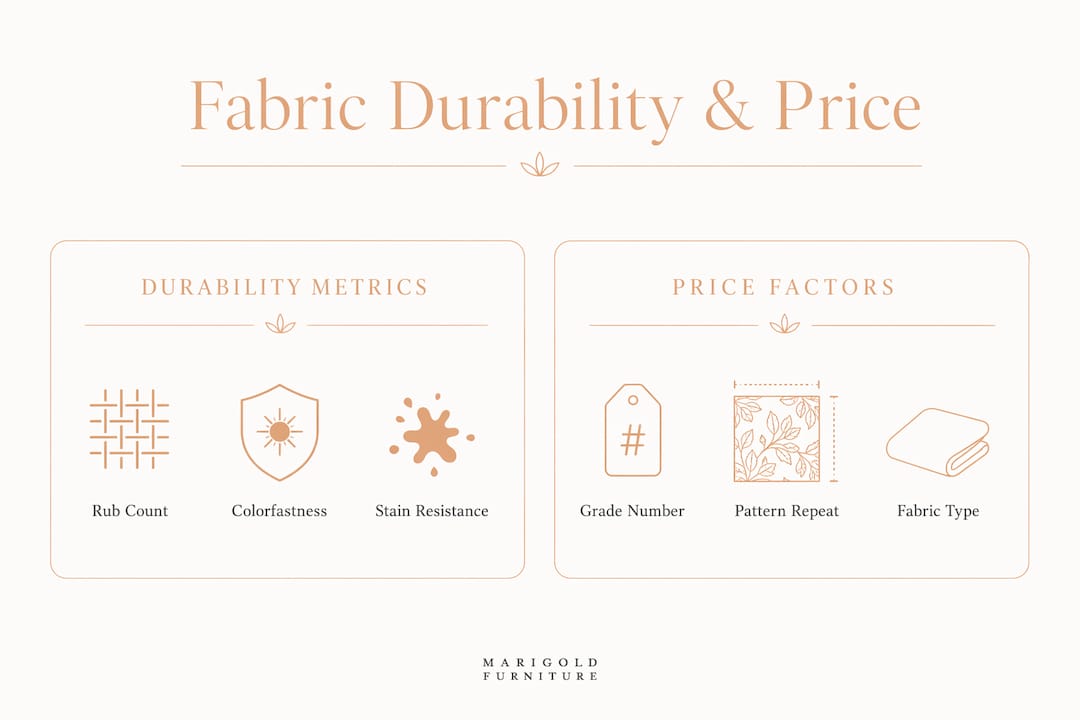
Beyond rub counts, true upholstery grade fabric must meet several additional criteria:
- Weave density and thread count. Tighter weaves and higher thread counts resist abrasion and hold their structure under the stress of a person sitting, shifting, and rising repeatedly.
- Colorfastness. Fabric must resist fading from light exposure and cleaning agents. A sofa placed near a sunny window will test colorfastness hard within the first year.
- Seam slippage resistance. Upholstery fabric must hold its seams under tension. Drapery fabric often fails this test because it was never designed to be stretched over a frame.
- Tensile strength. The fabric must resist tearing when pulled taut across corners, arms, and seat cushions.
- Stain resistance. Especially for household use, the fabric’s ability to repel liquids and allow cleaning without damage is a practical necessity.
Pro Tip: Ask your fabric supplier for the actual Wyzenbeek rub count data sheet, not just the grade number. A fabric labeled “Grade A” by one manufacturer may score 18,000 rubs, while another brand’s “Grade A” scores 45,000. The number tells the real story.
Colorfastness and stain resistance matter as much as rub counts for everyday furniture. A fabric that scores 50,000 double rubs but fades after one summer near a window is not a sound investment. Evaluate all performance metrics together, not in isolation.
How do upholstery fabric grades relate to durability and price?
Fabric grade numbers are pricing tiers set by manufacturers, not direct measures of durability. A grade 40 fabric from one manufacturer’s collection may actually be less wear-resistant than a grade 20 fabric from a different line. This surprises most homeowners who assume a higher number always means better quality.
The confusion is understandable. Furniture retailers use grade numbers to communicate price differences across their fabric collections. A Grade 1 fabric costs less than a Grade 5 fabric on the same sofa frame, but that difference reflects the fabric’s complexity, fiber content, and sourcing cost, not its abrasion rating. Fabric grade numbers reflect pricing tiers rather than consistent durability measures, so relying on rub test data and standardized performance assessments gives you far more useful information.
Here is how to evaluate fabric quality beyond the grade label:
| What to check | Why it matters |
|---|---|
| Wyzenbeek double-rub count | Tells you how long the fabric will hold up under friction |
| Fiber content | Natural fibers breathe well; synthetics often resist stains better |
| Weave type | Plain weaves are durable; cut pile fabrics like velvet wear faster |
| Cleaning code | W (water), S (solvent), WS (both), or X (vacuum only) guides maintenance |
| Colorfastness rating | Predicts how well color holds under light and cleaning |
The practical takeaway is simple. When choosing fabric for a sofa you plan to use daily, ask for the rub count and cleaning code first. The grade number tells you what you will pay. The performance data tells you what you will get.
How do pattern and fabric characteristics affect upholstery requirements?
Pattern repeat is one of the most underestimated cost factors in upholstery projects. Patterned floral fabrics require 20–35% more yardage than plain fabrics to accommodate repeat alignment. For a standard 84-inch sofa, a large-scale floral pattern can add 5–9 extra yards of fabric to your order. That extra yardage is not waste. It is the material needed to center motifs, match seams, and keep the pattern flowing continuously across cushions and back panels.
Large-scale repeats range from 18–27 inches and have a dramatic visual impact on finished furniture. A bold peony or magnolia print looks intentional and lush on a full-sized sofa. That same print on a small accent chair can feel chaotic, with motifs cut off at awkward angles. Pattern scale should match furniture size, with large florals reserved for generous frames and smaller prints suited to chairs and ottomans.
Fabric nap and directional weave add another layer of complexity. Velvet, chenille, and brushed fabrics have a nap, meaning the fibers lie in one direction. Fabric behavior under tension and directional nap directly affects the final appearance and durability of upholstered pieces. Cut all panels in the same nap direction, or the finished sofa will show panels that appear to be different colors under the same light.
Pro Tip: Before ordering fabric for a full upholstery project, drape a sample yard over the actual furniture frame. Pull it taut over the arms and corners. You will immediately see whether the pattern centers well, whether the fabric puckers, and whether the nap direction reads consistently.
Accounting for pattern centering and repeat size when cutting is the difference between a professional result and a project that looks slightly off. Budget for the extra yardage from the start rather than running short mid-project.
What are common types of upholstery fabrics and their typical uses?
Choosing the right fabric type means matching fiber content and construction to how the furniture will actually be used. Here is a practical breakdown of the most common categories:
- Cotton. Breathable, soft, and available in countless weaves and prints, including the beloved chintz used in traditional and English country interiors. Cotton wears moderately well but stains more easily than synthetics. It is best for low-traffic rooms or pieces that will be dry-cleaned.
- Wool. Naturally resilient and warm, wool resists crushing and holds its shape well over time. It is a strong choice for formal seating but requires professional cleaning and can be sensitive to moisture.
- Linen. Crisp, elegant, and breathable, linen is a classic choice for tailored upholstery. It wrinkles and soils more readily than other natural fiber upholstery fabric types, making it better suited to adult-only spaces.
- Polyester and microfiber. Synthetics excel at stain resistance and durability. Microfiber in particular mimics the softness of suede while offering easy cleanup. Blends and synthetics are often preferred for busy households with children or pets.
- Performance fabrics. Engineered textiles like Crypton and Sunbrella are built for extreme durability, with ratings of 100,000 or more double rubs and built-in resistance to stains, moisture, and UV fading. They are the top choice for high-traffic homes and commercial settings.
- Velvet. Luxurious and visually rich, velvet creates a jewel-toned depth that few fabrics match. It requires careful nap management during cutting and is best suited to lower-traffic accent pieces or formal seating.
- Leather and faux leather. Durable, easy to wipe clean, and ageless in appeal. Genuine leather develops a patina over time; faux leather offers a lower-cost alternative with less breathability.
The right fabric type is always a function of use, not just aesthetics. A stunning silk velvet sofa in a family room with two dogs and three children is a recipe for heartbreak. Match the fiber to the life the furniture will actually live.
How to select the right upholstery fabric for your furniture project
Making a confident fabric choice comes down to asking the right questions before you commit. Work through these steps in order:
- Assess traffic and use. A sofa in a daily-use family room needs a minimum of 30,000 double rubs. A formal sitting room sofa used occasionally can work well at 15,000–20,000 rubs.
- Account for household factors. Pets and children demand stain-resistant, easy-clean fabrics with tight weaves that resist snagging. Performance fabrics or tightly woven synthetics are the practical choice here.
- Match pattern scale to furniture size. Large floral prints belong on large frames. Small-scale prints and solids work on chairs, benches, and ottomans. When choosing floral fabric upholstery, center the dominant motif on the seat cushion and back panel for a polished result.
- Test the fabric physically. Pull a sample over the furniture’s arm and seat. Check for stretch, puckering, and nap direction. Upholstery fabric must be physically tested for hand feel, stretch, and seam behavior because flat samples do not reveal how a fabric performs on complex furniture shapes.
- Verify the cleaning code. Check the label before you buy. A fabric coded “X” (vacuum only) on a family sofa will be a daily frustration. Choose “W” or “WS” codes for practical household use.
- Calculate yardage with pattern repeat in mind. Add 20–35% to your base yardage estimate for any patterned fabric. Confirm the repeat measurement with your supplier and factor it into your budget from the start.
Following these steps protects you from the most common and costly upholstery mistakes. The fabric you love in a swatch will only stay lovable if it holds up to the life you lead.
Key Takeaways
Upholstery grade fabric is defined by measurable performance standards, and the Wyzenbeek double-rub count is the single most reliable metric for predicting how long a fabric will last on furniture you use every day.
| Point | Details |
|---|---|
| Rub count is the core metric | Residential light use needs 15,000+ rubs; heavy use needs 30,000+; commercial needs 100,000+. |
| Grade numbers indicate price, not durability | A higher grade number reflects cost tier, not wear resistance; always request rub count data. |
| Pattern repeats increase yardage | Floral fabrics need 20–35% more yardage; large-scale repeats add 5–9 yards to a standard sofa order. |
| Match fiber to actual use | Natural fibers offer comfort and beauty; synthetics and performance fabrics win on stain resistance and longevity. |
| Test fabric on the actual frame | Flat swatches hide stretch, puckering, and nap issues that only appear when fabric is pulled over furniture geometry. |
What I have learned after years of choosing upholstery fabrics
The single most common mistake I see is choosing fabric based on how it looks in a swatch under a showroom light. A swatch is a two-dimensional promise. The real test happens when that fabric is stretched over a curved arm, pulled tight across a seat cushion, and asked to hold its pattern centered on a back panel.
I have watched homeowners fall in love with a gorgeous large-scale chintz, order the base yardage, and then run short by six yards because nobody accounted for the repeat. That is not a fabric problem. That is a planning problem, and it is entirely avoidable. The pattern matching guide I recommend to every client covers exactly this kind of calculation in plain language.
The other thing I push back on constantly is the idea that natural fibers are always the superior choice. Linen and cotton are beautiful, and I adore them on the right piece in the right room. But if you have a dog who treats the sofa as a personal bed, a tightly woven performance fabric will serve you far better and still look elegant. Prioritize use case over fiber romance.
My honest advice: get the rub count in writing, test a generous sample on the actual furniture, and budget for pattern repeat yardage before you fall in love with a print. Those three habits will save you money, frustration, and the particular sadness of a sofa that looks worn within two years of purchase.
— Kevin O’Gara
Marigold Furniture’s custom floral sofas, built on fabric that lasts
Marigold Furniture handcrafts every sofa in Dallas and Los Angeles using upholstery grade fabrics selected for both beauty and durability. Each piece is built to order from over 20 chintz and floral fabric choices, all sourced responsibly and engineered to meet the performance standards this article describes.
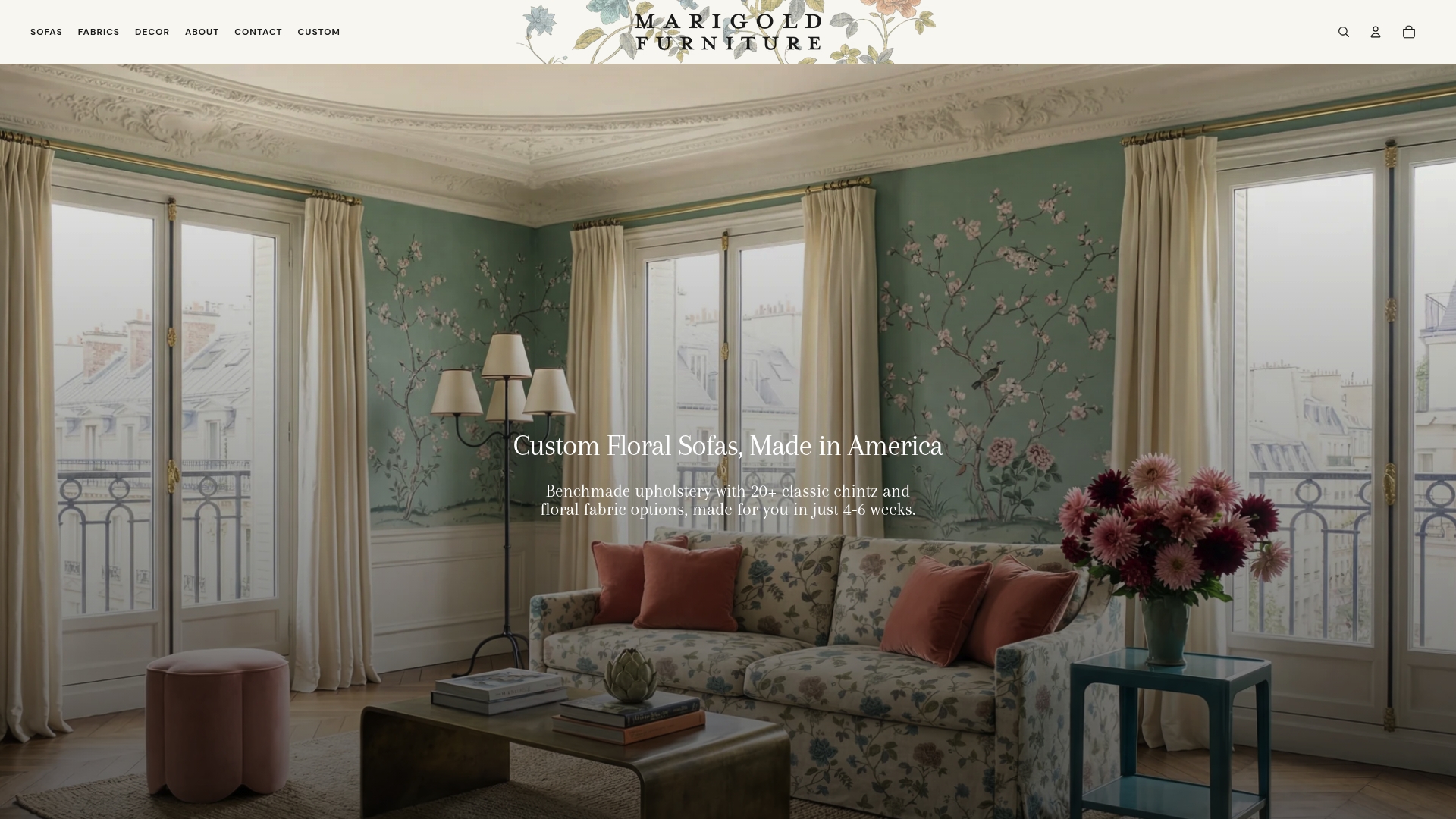
The Florence Arched Floral Sofa and the Giverny Slope-Arm Floral Sofa are two of the most beloved pieces in the collection, each showcasing how jewel-toned blooms and artisanal construction can coexist with genuine durability. If you are ready to put these fabric principles into practice on a piece made specifically for your home, custom floral sofa design at Marigold Furniture delivers a made-to-order result in just 4–6 weeks. Marigold’s fabrics are also available as chintz upholstery fabric by the yard.
FAQ
What is the minimum rub count for upholstery grade fabric?
Upholstery grade fabric for light residential use requires a minimum Wyzenbeek double-rub rating of 15,000–20,000 rubs. Heavy residential use calls for 30,000 or more, and commercial applications require 100,000 or above.
Does a higher fabric grade number mean better quality?
No. Fabric grade numbers are pricing tiers set by manufacturers, not durability ratings. A grade 40 fabric from one collection can be less wear-resistant than a grade 20 fabric from another line; always ask for the rub count instead.
How much extra fabric do I need for a floral pattern?
Patterned floral upholstery fabrics typically require 20–35% more yardage than plain fabrics. A large-scale floral on a standard 84-inch sofa can add 5–9 extra yards to accommodate pattern centering and repeat alignment.
What is the difference between performance fabric and standard upholstery fabric?
Performance fabrics are engineered textiles with built-in stain resistance, UV protection, and very high abrasion ratings, often 100,000 or more double rubs. Standard upholstery fabrics meet basic durability thresholds but do not carry the same level of protective engineering.
What cleaning code should I look for in upholstery fabric?
For practical household use, choose fabrics coded “W” (water-based cleaning) or “WS” (water or solvent cleaning). Fabrics coded “X” can only be vacuumed and are not suitable for sofas in active daily use.