

A well-maintained sofa lasts 7 to 15 years, but busy family homes with kids and pets often see that lifespan shrink to just 5 or 6 years without consistent care. The difference between a sofa that ages gracefully and one that sags, stains, and frays within a few years comes down to upholstery maintenance. These sofa longevity tips for family homes are not about perfection. They are about building small, repeatable habits that protect your investment, preserve the beauty of your fabric, and keep your living room feeling like the warm, welcoming heart of your home.
1. How does regular maintenance impact sofa life in family environments?
Consistent upholstery maintenance is the single greatest factor in extending a sofa’s functional life. Families who build a simple weekly routine protect their sofas from the kind of gradual, invisible damage that leads to early replacement.
Weekly vacuuming
Microscopic dust and grit act like fine sandpaper grinding into fabric fibers with every sit. Weekly vacuuming removes this buildup before it cuts into the weave. Use a soft brush attachment and work along the grain of the fabric, not against it. Pay special attention to crevices where crumbs and pet hair collect.
Spill response
Speed is everything when a spill happens. Blot immediately with a clean white cloth and never rub, which pushes liquid deeper into the fibers and spreads the stain. Keep a fabric-specific cleaner and a stack of white cloths within easy reach in your living room. Acting within the first 60 seconds dramatically reduces the chance of a permanent mark.
Cushion rotation
Rotating cushions every 2 to 4 weeks distributes wear evenly and slows foam compression significantly. Unrotated cushions lose their shape and density far faster, creating the sunken, lopsided look that signals a sofa in decline. Flip reversible cushions each time you rotate them for maximum benefit.
Professional cleaning schedule
Professional upholstery cleaning is recommended every 12 to 18 months for typical households and every 3 to 6 months for homes with children, pets, or allergy sufferers. Professional cleaning removes embedded oils, allergens, and residue that home vacuuming cannot reach. This investment refreshes fabric integrity and extends the life of the fibers themselves.
Frame checks
Tighten loose legs and check joints twice a year. A wobbly leg puts uneven stress on the frame, which accelerates structural damage. Catching a loose screw early costs nothing. Ignoring it can mean a cracked joint that compromises the entire sofa.
Pro Tip: After vacuuming, run your hand across the cushion surface to feel for any grit you may have missed. If you feel resistance, vacuum again with the brush attachment.
2. What sofa fabrics and constructions best withstand family use?
Choosing the right fabric and frame from the start is the most powerful couch care tip families can act on before a sofa even enters the home. The best fabrics for family sofas balance durability, cleanability, and beauty.
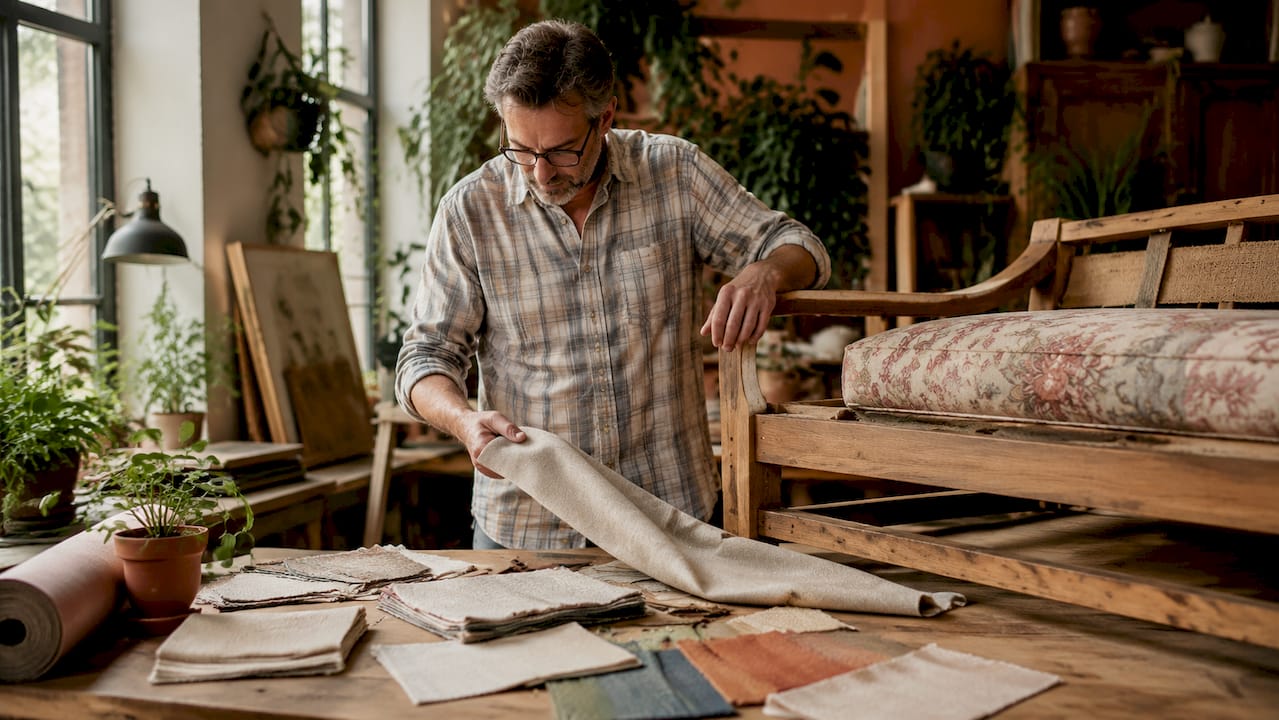
Performance fabrics like tightly woven microfibers and specialized stain-resistant textiles resist spills and abrasion better than loosely woven alternatives. These fabrics repel liquids at the surface, giving families more time to blot before a stain sets. Marigold Furniture’s stain-resistant fabric options are worth reviewing before you commit to a fabric choice.
Natural fabrics like cotton and linen require more attentive care but reward that effort with breathability and timeless beauty. Cotton chintz, for example, holds color beautifully and responds well to gentle cleaning routines. The key is knowing your fabric’s cleaning code, which is printed on the care tag, and following it precisely.
Frame construction is equally critical. Kiln-dried hardwood frames with quality upholstery can last 20 or more years with moderate use and proper care. Particleboard and softwood frames warp and crack under the daily stress of family life. A solid sofa frame construction is the foundation everything else depends on.
Foam density determines how long seat cushions hold their shape. Higher-density foam compresses more slowly and recovers better after use. Paired with a fiber wrap, it maintains that plush, inviting feel for years longer than low-density alternatives.
Slipcovers add a practical protective layer that families often underestimate. A well-fitted, washable slipcover guards against spills and pet damage while allowing you to refresh the sofa’s look seasonally. For families with young children, slipcovers are one of the most cost-effective forms of furniture maintenance available.
| Feature | Best choice for families | Why it matters |
|---|---|---|
| Fabric type | Tightly woven performance fabric or treated chintz | Resists stains and abrasion from daily use |
| Frame material | Kiln-dried hardwood | Withstands heavy use without warping |
| Cushion fill | High-density foam with fiber wrap | Holds shape longer under repeated compression |
| Protective layer | Washable slipcover | Simplifies cleaning and guards against spills |
3. What daily habits can families adopt to preserve their sofas longer?
Durable furniture for homes with active families depends as much on behavior as it does on materials. These habits are simple, take seconds each day, and add years to your sofa’s life.
- Avoid standing or jumping on cushions. Children jumping on sofas deform springs and compress foam unevenly. One firm rule here prevents years of premature sagging.
- Use washable covers in high-traffic zones. Drape a washable throw or fitted cover over the most-used seat. This guards against daily grime and pet oils without sacrificing style.
- Keep sofas out of direct sunlight. UV rays fade fabric and dry out upholstery in ways that no conditioner can fully reverse. Position your sofa away from south-facing windows, or use sheer curtains to filter light during peak hours.
- Designate eating areas away from the sofa. A no-food policy on the sofa is the single most effective way to reduce accidental staining. If that feels unrealistic, use a tray and keep napkins close.
- Sit down gently. Dropping onto a sofa from a height stresses the frame and cushion springs. Sitting down slowly distributes your weight evenly and reduces cumulative structural strain.
- Remove pet fur before vacuuming. Use a lint roller or a rubber pet-hair tool to lift fur from the surface first. Vacuuming over matted fur pushes it deeper into the weave rather than removing it.
- Plump cushions daily. Push filling into the corners and give each cushion a firm press to redistribute the foam and fiber. This takes 30 seconds and visibly refreshes the sofa’s appearance.
Pro Tip: Try the “karate chop” technique on back cushions: a firm, downward chop along the top edge redistributes filling into the corners and restores that full, freshly styled look.
For families managing upholstery cleaning methods across different fabric types, having a clear routine for each material saves time and prevents accidental damage.
4. When and how should families repair or refurbish sofas to extend lifespan?
Timely repairs are the most cost-effective sofa lifespan advice available. Catching small problems early prevents them from becoming structural failures that force a full replacement.
- Replace foam cores when cushions flatten. Foam replacement costs $150 to $400 and can extend a sofa’s useful life by 5 to 10 years. That is a fraction of the cost of a new sofa, and it preserves a frame you already trust.
- Fix loose legs and seams immediately. A loose leg puts asymmetric stress on the frame. A fraying seam, left unaddressed, unravels quickly under daily use. Both repairs take minutes and cost very little.
- Invest in professional cleaning as maintenance, not rescue. Families who treat professional cleaning as a scheduled event, not a last resort, keep their fabric in far better condition over time.
- Consider reupholstering before replacing. If the frame is solid and the structure is sound, reupholstering gives you a like-new sofa at a fraction of replacement cost. High-quality slipcovers offer a similar visual refresh at even lower cost.
- Know when to replace. Severe frame cracks, pervasive fabric damage across the entire surface, or cushion sagging that foam replacement cannot fix are the true signals that a sofa has reached the end of its life.
Families who invest in quality sofa construction from the start find that repair and refurbishment are far more viable options. A solid hardwood frame is worth restoring. A particleboard frame rarely is.
Key Takeaways
The most effective approach to sofa longevity in family homes combines consistent weekly maintenance, smart fabric and frame selection, and timely repairs that prevent small issues from becoming costly replacements.
| Point | Details |
|---|---|
| Weekly vacuuming is non-negotiable | Dust and grit degrade fabric fibers; vacuuming weekly is the highest-impact simple habit. |
| Cushion rotation prevents sagging | Rotating every 2 to 4 weeks distributes wear and slows foam compression significantly. |
| Fabric and frame choice matters most | Kiln-dried hardwood frames and performance fabrics outlast cheaper alternatives by years. |
| Foam replacement extends sofa life | Replacing foam cores for $150 to $400 can add 5 to 10 years to a sofa’s useful life. |
| Sunlight causes irreversible damage | UV exposure fades fabric and dries upholstery in ways that conditioning cannot undo. |
What I’ve learned from years of living with beautiful sofas
The most common mistake I see families make is assuming that an expensive sofa takes care of itself. It does not. A beautifully crafted sofa with a kiln-dried hardwood frame and hand-applied upholstery still needs weekly attention. The craftsmanship gives you a longer runway, but the habits are what actually use it.
What surprised me most, after years of working with upholstered furniture, is how much damage comes from the invisible things. Not the juice spill you see immediately and blot up. The microscopic grit that settles into the weave every day and slowly cuts through the fibers like sandpaper. Weekly vacuuming feels mundane, but it is genuinely the most protective thing a family can do.
I also want to push back on the myth that natural fabrics are impractical for family homes. Cotton chintz, handled with the right care routine and protected with a slipcover during the hardest years of family life, can be a beloved companion for decades. The key is understanding your fabric, not avoiding it. Marigold Furniture’s guide to caring for chintz upholstery is one of the most practical resources I have seen on this topic.
My honest recommendation: do not wait until your sofa looks tired to start caring for it. The families who get 12 or 15 years from a sofa are not the ones who react to problems. They are the ones who built a 10-minute weekly routine and stuck with it.
— Kevin O’Gara
Marigold Furniture’s floral sofas, built for real family life
Protecting a sofa you love starts with choosing one worth protecting. Marigold Furniture handcrafts each sofa in Dallas and Los Angeles using kiln-dried hardwood frames and over 20 chintz and floral fabric choices, including treated options designed to stand up to active households.
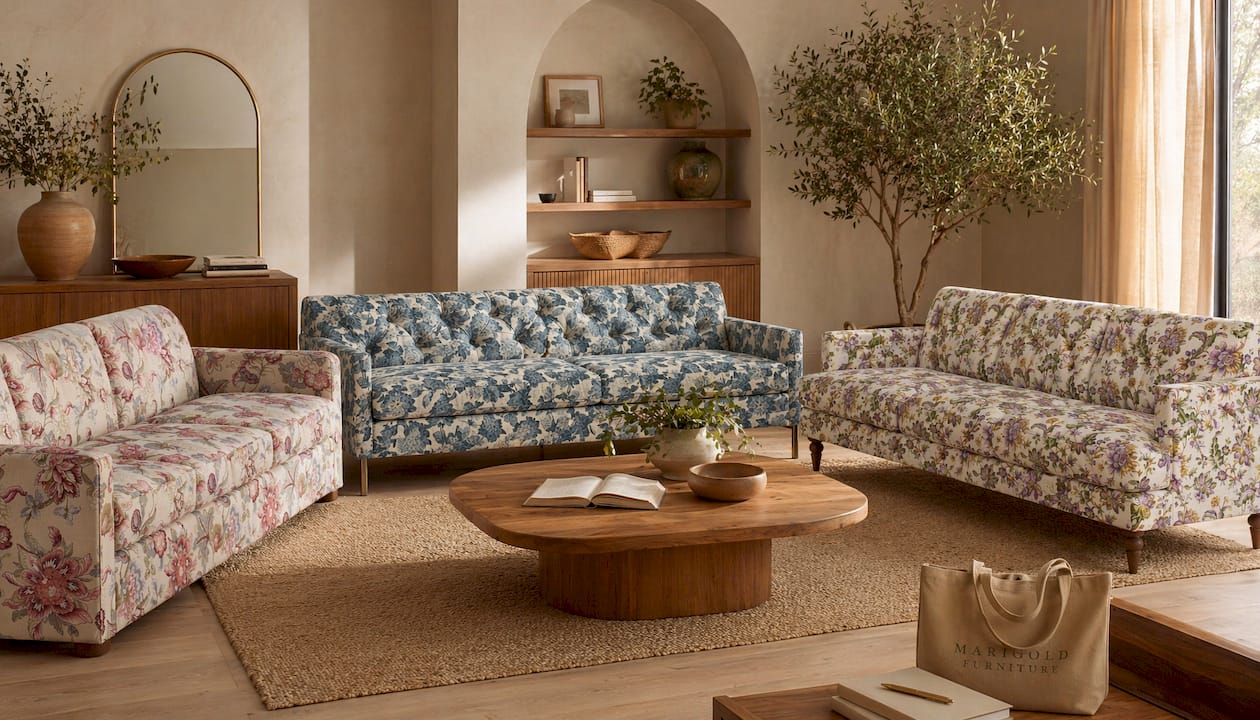
The Florence Arched Floral Sofa pairs a solid benchmade frame with vibrant upholstery that rewards the kind of consistent care this article describes. The Seville Tufted-Back Floral Sofa brings elegant structure and easy-care fabric to family living rooms. For a classic silhouette with turned legs and lasting fabric integrity, the Avignon Floral Sofa is crafted to anchor a room beautifully for years. Each piece ships in 4 to 6 weeks, made to order with responsibly sourced materials.
FAQ
How long does a sofa last in a family home?
A well-maintained sofa lasts 7 to 15 years under typical use. In busy family homes with children and pets, that lifespan drops to around 5 to 6 years without consistent care and maintenance.
How often should families clean their sofas professionally?
Homes with children, pets, or allergy sufferers should schedule professional upholstery cleaning every 3 to 6 months. General households can extend that interval to every 12 to 18 months.
What is the best fabric for a family sofa?
Tightly woven performance fabrics and treated textiles offer the best resistance to stains and daily wear. Kiln-dried hardwood frames paired with high-density foam cushions extend both comfort and structural life.
How do I stop my sofa cushions from sagging?
Rotate and flip reversible cushions every 2 to 4 weeks to distribute wear evenly. When foam cores flatten beyond recovery, replacing them for $150 to $400 restores comfort and can add years to the sofa’s life.
Does sunlight really damage sofas?
UV rays fade fabric color and dry out upholstery materials in ways that no conditioner can fully reverse. Position sofas away from direct sunlight or use sheer curtains to filter UV exposure during peak daylight hours.