

A family-friendly floral sofa fabric is defined as upholstery that meets durability, stain resistance, and safety standards while delivering the vibrant, garden-inspired beauty that makes a living room feel alive. The industry term for this category is “performance upholstery,” and it covers everything from tightly woven synthetic blends to treated natural fibers engineered for real household life. Floral prints are a natural fit for busy families because their organic patterns hide stains and wear far better than solid colors. Marigold Furniture has built its entire craft around this intersection of beauty and practicality, offering over 20 chintz and floral fabric choices benchmade in Dallas and Los Angeles. This guide walks you through every decision you need to make with confidence.
What makes a floral sofa fabric family-friendly?
Family-friendly floral upholstery earns that label by passing three tests: durability, cleanability, and safety. A fabric that fails any one of these will cost you more in replacements and frustration than you ever saved at purchase.
Durability: the double-rub standard
The upholstery industry measures durability with the Wyzenbeek double-rub test. Family-friendly fabrics rate at 40,000–100,000+ rubs for heavy traffic use, compared to 15,000 rubs for light residential use. That gap is enormous. A sofa in a living room with two kids and a dog needs every one of those extra rubs.
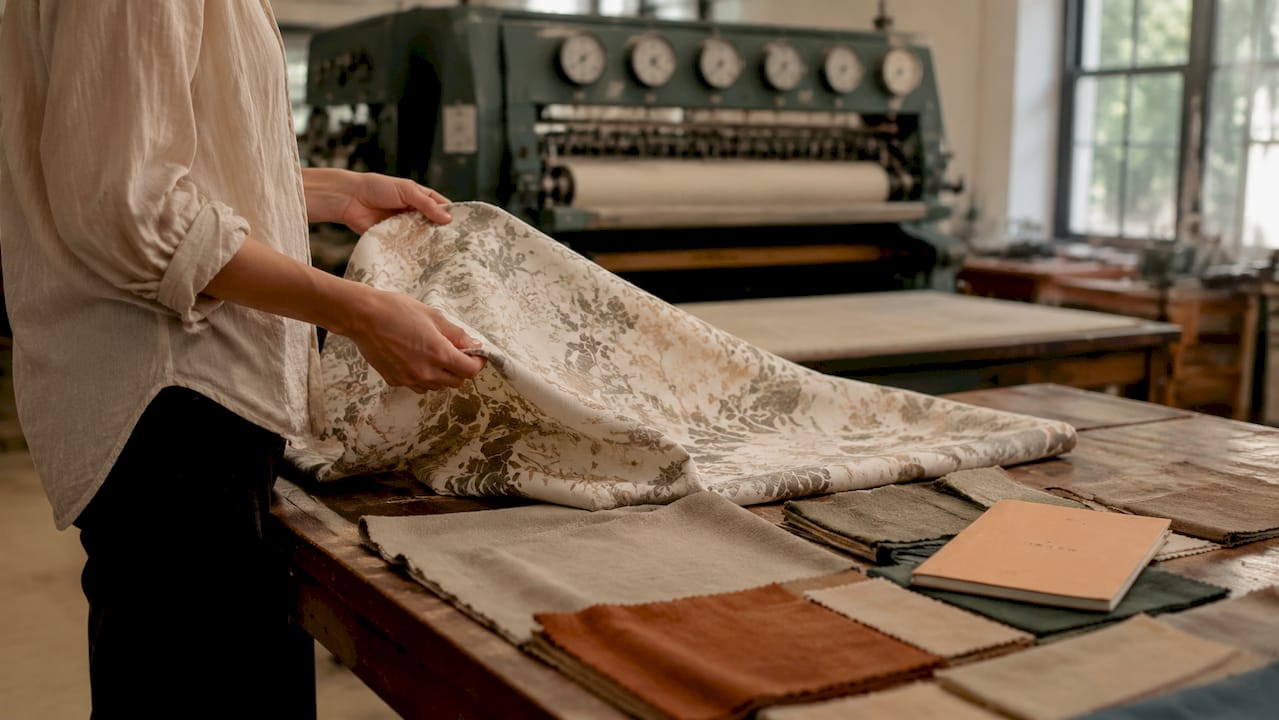
Double-rub ratings alone do not tell the whole story, though. High rub counts paired with poor pilling resistance still produce a fabric that degrades quickly. The ASTM D3511 pilling scale rates fabrics from 1 to 5, and a minimum rating of 4 is the threshold worth accepting for family use. Always ask for both numbers before you commit.
Stain resistance and performance fabric technology
Performance fabrics are treated at the fiber level, not just coated on the surface. That distinction matters because surface coatings wear off; fiber-level treatment does not. Performance fabrics produce 90% fewer stain-related repairs in high-traffic homes compared to standard upholstery. That number reflects real savings in professional cleaning bills and sofa replacements.
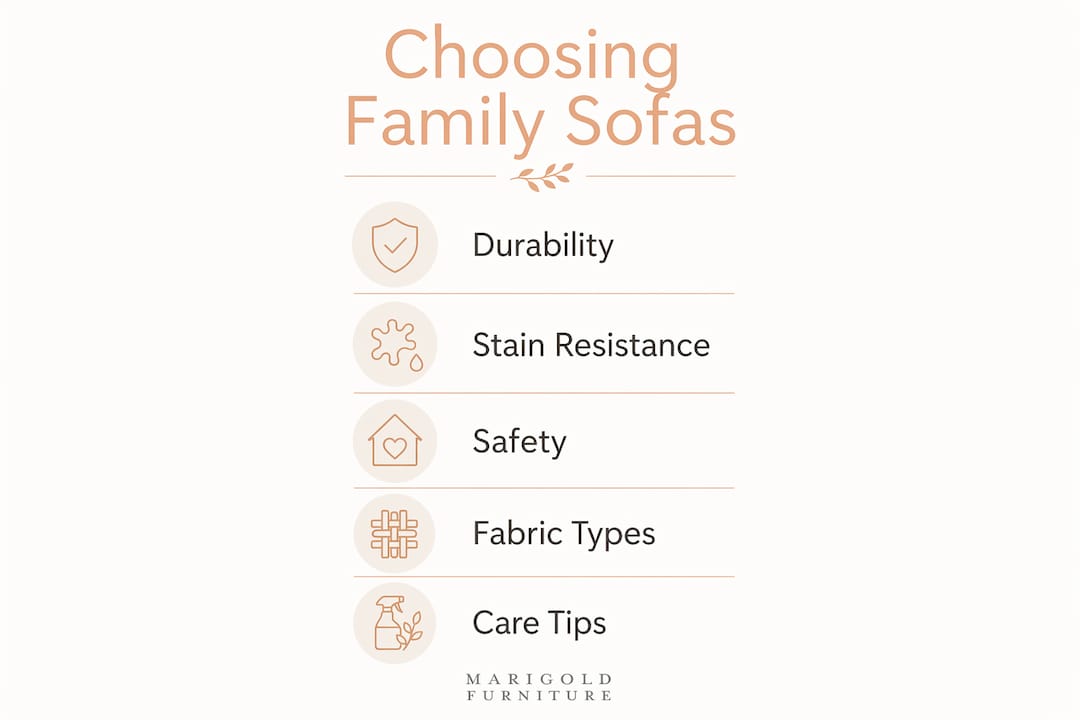
Tight weaves amplify stain resistance. A dense weave leaves fewer gaps for liquid to penetrate before you can blot it up. Synthetic blends, particularly polyester and nylon, dry faster and resist mold better than natural fibers in the same scenario.
Safety and hypoallergenic properties
Child-friendly sofa materials should use non-toxic, low-VOC dyes, especially for families with toddlers who press their faces into cushions. Look for certifications like OEKO-TEX Standard 100, which confirms the fabric has been tested for harmful substances. Hypoallergenic options matter most for families with children who have skin sensitivities or respiratory conditions.
- Double-rub count: 40,000+ for heavy family use; 100,000+ for maximum durability
- Pilling resistance: ASTM D3511 rating of 4 or higher
- Weave density: tight weaves resist liquid penetration
- Dye safety: non-toxic, low-VOC, OEKO-TEX certified where possible
- Fiber treatment: fiber-level performance treatment outlasts surface coatings
Pro Tip: Floral prints with medium-scale motifs and jewel-toned blooms hide everyday wear and minor staining better than small-scale or very light-colored patterns. The visual complexity of the print does the camouflage work for you.
What are the best floral sofa fabrics for families?
Choosing the right material is the single most consequential decision in this process. The print is the personality; the fiber is the foundation.
Performance fabrics: the gold standard
Performance fabrics engineered for indoor use, such as Crypton and Sunbrella indoor lines, offer stain and moisture resistance built into every fiber. Crypton fabric repels liquids, resists odors, and can be cleaned with water and mild soap without damaging the weave. These fabrics are available in floral prints and represent the best long-term investment for active families. The upfront cost is higher, but higher investment in performance fabrics saves money over time by reducing replacement and cleaning costs.
Microfiber: soft, affordable, and practical
Microfiber delivers stain resistance, softness, and easy maintenance at a moderate price point. It is one of the most popular choices for family living rooms precisely because it checks every practical box without demanding a premium budget. Microfiber in floral prints gives you the garden-room aesthetic with the forgiving surface you need when juice hits the cushion at 7:00 PM on a Tuesday.
Performance velvet: beauty with backbone
Standard velvet is a poor choice for families. It crushes, stains, and pills under daily use. Performance velvet combines velvet’s softness with stain and moisture resistance, making it a genuinely viable option for families who want a lush, tactile surface. Floral prints in performance velvet carry a richness that chintz cannot replicate, and the fiber-level treatment keeps them looking fresh far longer than the traditional version.
Fabrics to avoid in family rooms
Linen, traditional velvet, loose weaves, and untreated cotton are generally unsuitable for family sofas. They stain easily, dry slowly, and pill or fray under repeated use. Standard linen has a beautiful organic texture, but it absorbs liquid almost instantly and resists cleaning poorly. Save those fabrics for a reading chair in a low-traffic room.
| Fabric type | Durability | Stain resistance | Family suitability |
|---|---|---|---|
| Performance fabric (Crypton, Sunbrella indoor) | Excellent | Excellent | Best choice |
| Microfiber | Good | Good | Strong choice |
| Performance velvet | Good | Good | Strong choice |
| Polyester blend | Good | Moderate | Suitable |
| Untreated linen | Poor | Poor | Not recommended |
| Standard velvet | Poor | Poor | Not recommended |
| Loose-weave cotton | Poor | Poor | Not recommended |
How do you care for floral sofa fabrics in a family home?
Good fabric care extends sofa life by years and keeps floral prints looking vibrant rather than faded and tired. The approach differs by fabric type, but the core habits apply universally.
- Blot spills immediately. Press a clean, dry cloth firmly onto the spill. Never rub. Rubbing spreads the stain and pushes liquid deeper into the weave.
- Use the manufacturer’s cleaning code. Sofas carry W (water-based cleaner), S (solvent-based cleaner), WS (either), or X (vacuum only) codes on their tags. Using the wrong cleaner can permanently damage the fabric.
- Vacuum weekly. A soft-brush attachment removes dust, crumbs, and pet hair before they work into the weave. This single habit does more for fabric longevity than any cleaning product.
- Spot-clean with mild soap and water for W-coded fabrics. A small amount of dish soap diluted in warm water handles most household spills on performance fabrics without leaving residue.
- Schedule professional cleaning once a year. Even the most diligent spot-cleaning leaves residue over time. Annual professional cleaning restores the fabric and removes allergens that vacuuming misses.
Removable, machine-washable sofa covers provide deep-cleaning capabilities that spot cleaning simply cannot match. For families with toddlers, this feature is worth prioritizing at the point of purchase. A cover you can pull off and run through the washing machine on a sunday afternoon is a genuine quality-of-life upgrade.
Pro Tip: Dark or mid-tone floral patterns disguise pet hair, minor stains, and everyday wear far better than pale or solid-colored upholstery. A deep navy botanical print or a rich burgundy garden motif keeps its good looks through years of family use.
For floral prints specifically, avoid direct sunlight exposure. UV rays fade dyes unevenly, and the contrast between sun-bleached and protected areas is especially visible on patterned fabric. Position your sofa away from south-facing windows, or use UV-filtering window film to protect the color.
How do you choose floral sofa fabric based on your family’s lifestyle?
True fabric choice depends on lifestyle, and the right starting point is your daily use scenario, not the fabric swatch. Ask yourself the hardest question first: what is the worst thing that will happen to this sofa in the next five years?
Matching fabric to family type
Families with active kids and pets need the highest durability ratings and fiber-level stain protection. Performance fabrics with 100,000+ double-rub counts and removable covers are the non-negotiable baseline. Families with older children and occasional pet access can work with microfiber or polyester blends at the 40,000–60,000 rub range. Families using a formal living room primarily for guests can consider a wider range of stylish floral fabric options, including treated linen blends or performance velvet.
Coordinating floral prints with your room
Floral prints for family rooms work best when they anchor the color palette rather than compete with it. Choose a sofa fabric that pulls two or three colors from your existing rug, curtains, or wall color. A large-scale botanical print in sage, cream, and terracotta can unify a room that previously felt disconnected. For smaller rooms, a medium-scale floral in lighter tones keeps the space from feeling heavy.
For fabrics with a pile or nap, budget 10–15% extra yardage to match patterns across cushions and ensure consistent wear. This is a detail that separates a professionally finished sofa from one that looks slightly off.
| Family lifestyle | Recommended fabric | Min. double-rub count | Key feature to prioritize |
|---|---|---|---|
| Active kids and pets | Performance fabric | 100,000+ | Fiber-level stain treatment |
| Kids with occasional pets | Microfiber or polyester blend | 40,000+ | Easy spot cleaning |
| Older kids, low pet activity | Performance velvet | 40,000+ | Softness and style |
| Formal or occasional use | Treated linen blend | 25,000+ | Aesthetic appeal |
The sofa fabrics role in family rooms extends beyond durability. The right floral print becomes a beloved companion in the room, anchoring memories as much as it anchors the furniture arrangement. Investing in the right fabric from the start means you are not replacing it in three years.
Key Takeaways
The best family-friendly floral sofa fabric combines a double-rub count of 40,000 or higher, fiber-level stain resistance, and a medium-scale floral print that hides daily wear while anchoring your room’s color palette.
| Point | Details |
|---|---|
| Prioritize double-rub count | Choose fabrics rated 40,000–100,000+ rubs for heavy family and pet use. |
| Add pilling resistance to your checklist | Require an ASTM D3511 pilling rating of 4 or higher alongside any rub-count figure. |
| Match fabric to lifestyle, not just looks | Start with your worst-case spill and pet scenario before selecting any material. |
| Use floral prints strategically | Medium-scale, mid-tone floral patterns hide stains, pet hair, and wear better than solids. |
| Invest in removable covers | Machine-washable covers provide deep cleaning that spot treatment alone cannot achieve. |
Why I always tell families to buy the fabric, not the flower
The most common mistake I see families make is falling in love with a floral print and then discovering, six months later, that the fabric underneath it was never built for their life. A gorgeous chintz in pale blush and ivory looks stunning in a showroom. It looks heartbreaking after one birthday party.
My honest recommendation, after years of working with families on floral upholstery choices, is this: start with the performance specification and then find the most beautiful floral print that meets it. That sequence changes everything. When you know your fabric can handle a full glass of red juice and a muddy paw print, you stop treating the sofa like a museum piece. You let your family actually live on it. That is when a piece of furniture becomes part of your home’s story rather than a source of anxiety.
I have seen families spend less upfront on a standard fabric and replace the sofa entirely within four years. I have also seen families invest in a Crypton or performance-blend floral sofa and still love it a decade later, with nothing more than weekly vacuuming and an annual professional clean. The math is not close. The best stain-resistant fabric options pay for themselves in avoided replacement costs alone.
One more thing: test before you commit. Request fabric swatches, pour a small amount of water on them, and watch how the fiber responds. Rub a damp cloth across the surface. If the fabric passes your kitchen table test, it will pass your living room.
— Kevin O’Gara
Marigold Furniture’s handcrafted floral sofas for family living
Marigold Furniture builds every sofa for the way families actually live, not the way showrooms display furniture.
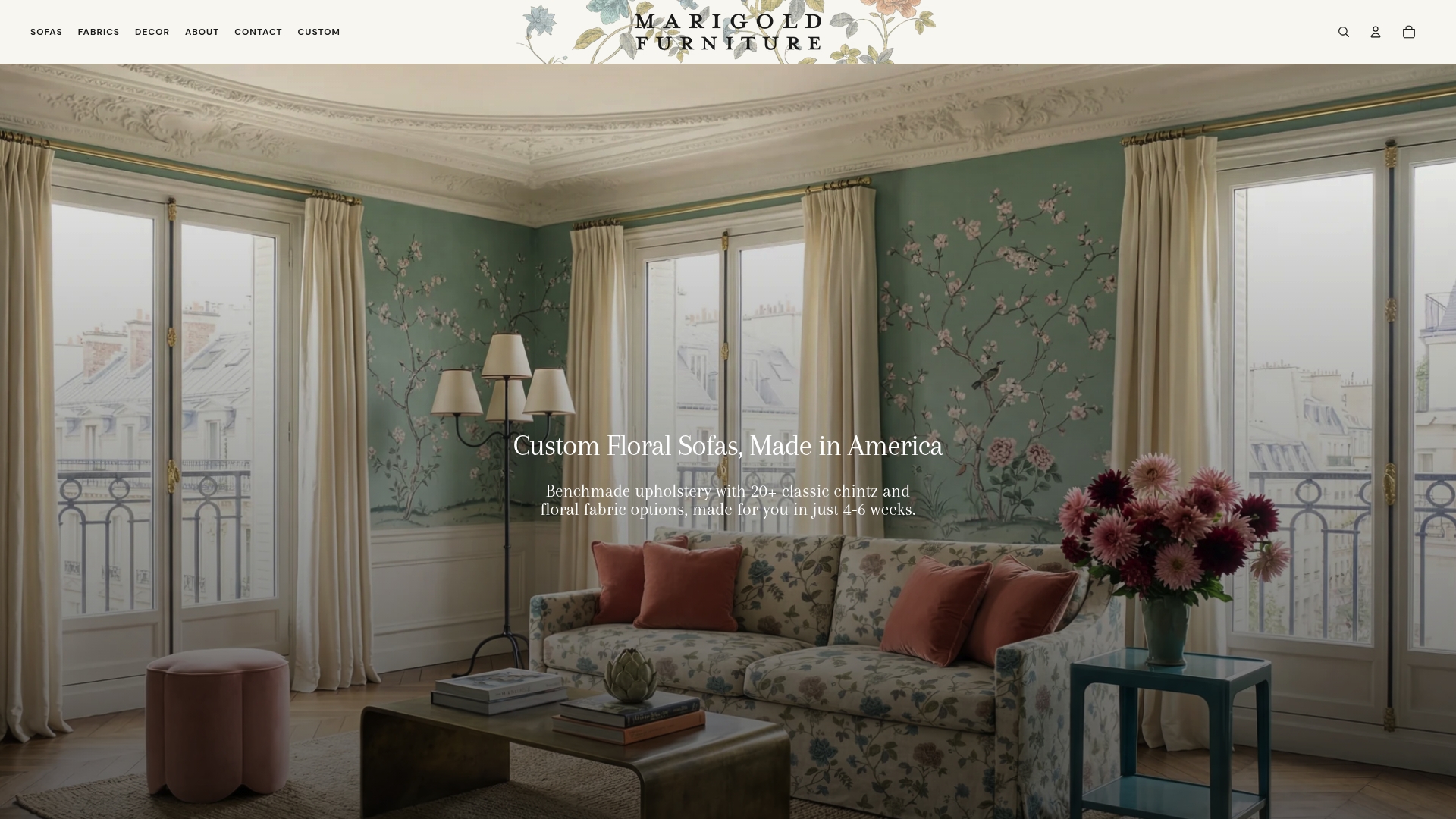
The 90" Florence Arched Floral Sofa is one of Marigold’s most requested pieces for family rooms, available in performance-grade floral fabrics that meet the durability standards this guide describes. Each sofa is benchmade in Dallas and Los Angeles, with over 20 chintz and floral fabric choices so you can select the print and performance level that fits your household. The Giverny Slope-Arm Floral Sofa offers a softer silhouette with the same handcrafted construction. Made-to-order pieces arrive in 4–6 weeks. For families who want a sofa that is as durable as it is beautiful, Marigold’s custom floral sofa design service lets you build exactly what your home needs.
FAQ
What double-rub count is safe for a family sofa?
Family sofas need a minimum of 40,000 double rubs, with 100,000+ recommended for homes with active kids and pets. Anything below 25,000 is rated for light residential use only.
Are floral prints practical for homes with kids?
Yes. Floral prints hide stains and wear better than solid colors because the visual complexity of the pattern masks minor marks. The key is pairing the print with a high-performance base fabric.
What is the easiest floral sofa fabric to clean?
Performance fabrics like Crypton and microfiber are the easiest to clean. Both resist liquid penetration and respond well to water-based spot cleaning without requiring professional treatment for everyday spills.
Should I choose removable covers for a family sofa?
Removable, machine-washable covers are the most practical choice for families with toddlers. They allow deep cleaning that spot treatment cannot achieve and extend the life of the underlying fabric significantly.
Which floral fabrics should families avoid?
Linen, standard velvet, loose weaves, and untreated cotton are poor choices for family sofas. They stain easily, dry slowly, and degrade quickly under daily household use.