

An upholstery cleaning method is defined as a specialized process used to safely remove dirt, stains, and odors from fabric-covered furniture without damaging its fibers or structure. Knowing which method suits your sofa is the difference between a fabric that lasts decades and one that shrinks, fades, or molds after a single cleaning session. Every upholstered piece carries a manufacturer’s cleaning code, and that code is your first guide. Whether you own a beloved chintz sofa or a family workhorse sectional, the right upholstery cleaning process protects both the beauty and the investment you have made.
What is upholstery cleaning method, and which types exist?
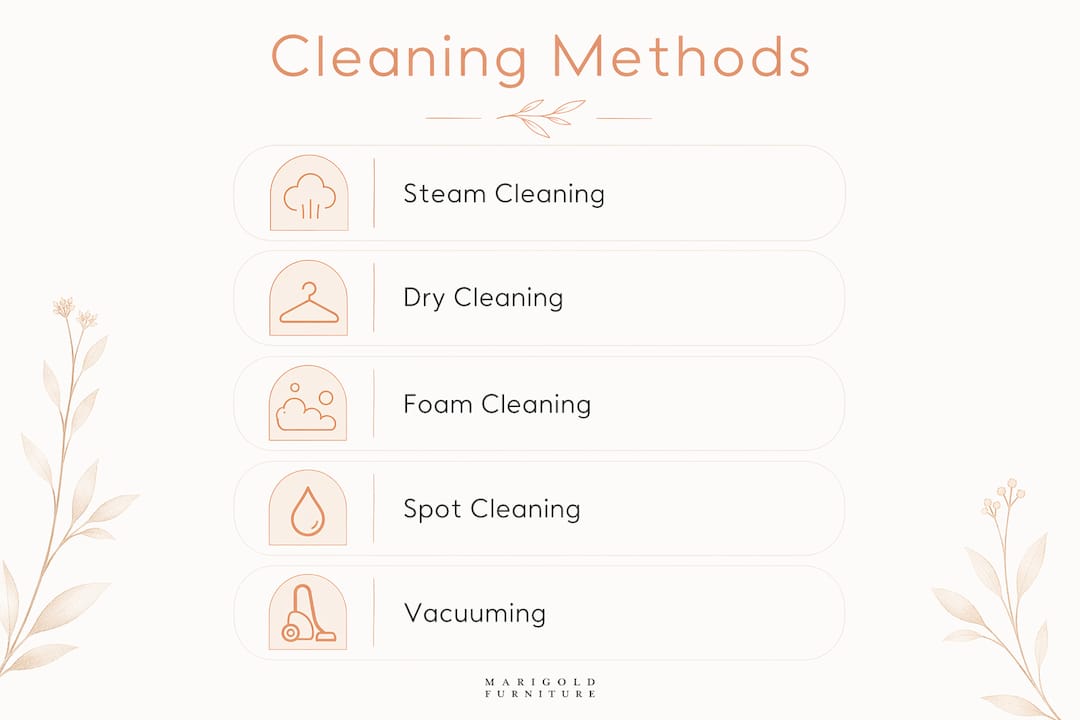
Upholstery cleaning techniques fall into five main categories, each designed for a different fabric type and soil level. Understanding how each one works prevents costly mistakes.
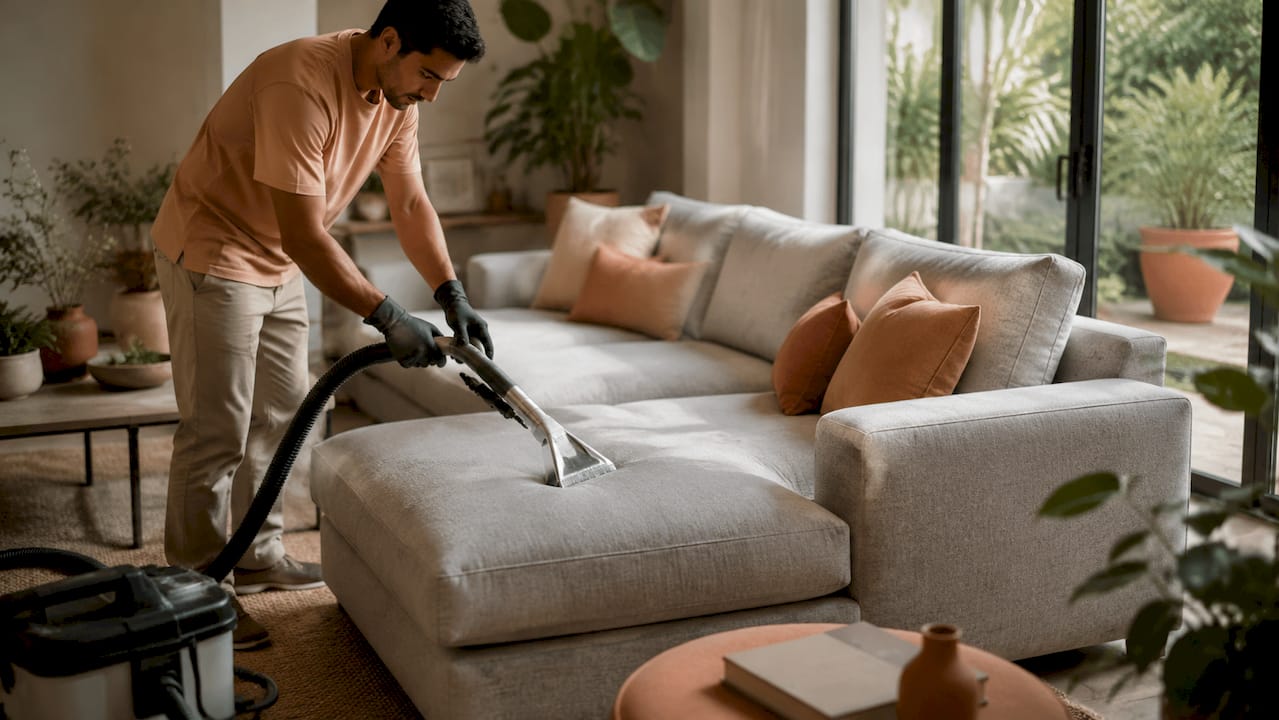
Steam cleaning (also called hot water extraction) injects heated water and cleaning solution deep into fabric fibers, then extracts the loosened soil with strong suction. Steam cleaning suits synthetics like polyester and nylon well, but it is not recommended for natural fibers such as silk, wool, or linen because heat causes shrinkage and warping. Drying times after steam cleaning range from 4–8 hours depending on airflow and humidity.
Dry cleaning uses chemical solvents rather than water, making it the go-to method for moisture-sensitive fabrics. The solvent dissolves oils and stains, then evaporates quickly, leaving minimal residue and a short drying window. The trade-off is that solvents can be harsh on certain dyes, so testing is always required first.
Foam cleaning applies a low-moisture cleaning foam to the surface, which is worked in gently and then vacuumed away once dry. This method sits in the middle ground: more effective than a dry wipe but far less wet than steam. Foam cleaning works well for routine maintenance between deeper professional sessions.
Shampooing involves applying a detergent solution, agitating it into the fabric, and then extracting it. The risk with shampooing is residue. If the detergent is not fully removed, it attracts new dirt rapidly and can leave the fabric feeling stiff.
DIY spot cleaning uses household products like white vinegar, baking soda, or mild dish soap to treat isolated stains. These remedies work on fresh, surface-level marks but cannot address embedded soil or odors. They are best treated as first-response tools, not substitutes for a full cleaning method.
- Steam cleaning: deep extraction, best for synthetics, longer drying time
- Dry cleaning: solvent-based, fast drying, suited to moisture-sensitive fabrics
- Foam cleaning: low moisture, good for maintenance, easy to apply at home
- Shampooing: thorough but residue-prone, requires full extraction
- DIY spot cleaning: quick response for fresh stains, limited depth
Pro Tip: Never scrub a fresh stain. Blot from the outer edge inward to stop the stain from spreading into clean fibers.
How do you choose the right cleaning method for your fabric?
Every upholstery piece carries a cleaning code: W, S, WS, or X. Ignoring these codes is the leading cause of permanent damage, including shrinkage and fiber destruction. Reading the tag before you touch a bottle of cleaner is non-negotiable.
| Code | Meaning | Safe methods |
|---|---|---|
| W | Water-based cleaners only | Steam cleaning, foam cleaning, water-based shampoo |
| S | Solvent-based cleaners only | Dry cleaning solvents, no water |
| WS | Water or solvent cleaners | Most methods, use with care |
| X | Vacuum only, no liquid | No wet or solvent cleaning |
Fabric composition matters just as much as the code. Cotton and nylon tolerate water-based cleaning well, while silk and wool demand solvent-only or professional care. Linen can shrink with excess moisture, and velvet can crush permanently if scrubbed. Knowing your upholstery fabric type before cleaning saves you from a very expensive lesson.
Backing fabric is a detail most homeowners overlook entirely. Jute or cotton canvas backings can bleed dye into the face fabric when wet, creating stains that look like water rings but are actually permanent dye transfer. This is especially common with older sofas and imported fabrics that were not tested for colorfastness.
Testing any cleaner on a hidden area for at least 10–15 seconds before full application is the single most critical step in the entire cleaning process. Check for color bleeding, browning, or distortion before committing to the full surface.
Pro Tip: Check the underside of a seat cushion or the back panel of the sofa for your cleaning code tag. These spots are almost always where manufacturers place care labels.
Professional vs. DIY upholstery cleaning: which is right for you?
Professional upholstery cleaning typically takes 60–90 minutes and removes up to 85% more contaminants than DIY methods. That gap exists because professional equipment operates at extraction pressures and temperatures that consumer machines simply cannot match.
DIY cleaning often extracts only 40–50% of embedded dirt. That remaining soil does not stay neutral. It breaks down fabric fibers over time, dulls color, and creates the musty smell that many families attribute to age rather than incomplete cleaning.
Cost is the most common reason families choose DIY. Professional services cost $150–$300 for a standard sofa, while DIY costs run $30–$100 in materials plus any equipment rental. Professional cleaning products are typically 5–10 times more concentrated than retail versions, which partly explains the performance gap.
The risks of DIY cleaning are real and worth understanding clearly:
- Over-wetting cushions can leave foam cores damp for 12–24 hours, creating mold and mildew risks that produce hidden odors
- Inadequate extraction leaves detergent residue that attracts dirt faster than before cleaning
- Metal-bristled brushes snap synthetic fibers and fray natural ones, causing irreversible surface damage
- Wrong solvent on a W-coded fabric can dissolve dye permanently
The most effective approach combines both. Weekly vacuuming and prompt spot cleaning, paired with professional deep cleaning every 12–24 months, gives furniture the best chance at a long, beautiful life. Families with pets or young children benefit from scheduling professional cleaning closer to the 12-month mark. For guidance on fabrics that hold up in active households, Marigold Furniture’s resource on pet-friendly sofa fabrics offers practical starting points.
Pro Tip: After any DIY cleaning session, point a fan directly at the cleaned surface and keep windows open. Cushions need airflow on all sides, not just the top, to dry fully within a safe window.
How to clean upholstery at home: a step-by-step process
A careful, methodical approach at home produces results that are safe for your fabric and effective enough to maintain appearance between professional visits.
- Vacuum thoroughly. Use an upholstery attachment to remove loose debris, pet hair, and surface dust from all surfaces, including crevices and under cushions. This step prevents dirt from turning into mud when liquid is applied.
- Check the cleaning code. Locate the manufacturer’s tag and confirm whether your fabric accepts water (W), solvent (S), both (WS), or neither (X). Never skip this step, even on a sofa you have owned for years.
- Spot test your cleaner. Apply a small amount of your chosen solution to a hidden area, such as the back panel or underside of a cushion. Wait 10–15 seconds, then blot with a white cloth. If color transfers or the fabric changes texture, stop and choose a different product.
- Apply the cleaning solution sparingly. For W-coded fabrics, mix a small amount of mild dish soap with cool water and apply with a soft-bristle brush or clean white cloth. For S-coded fabrics, use a dry-cleaning solvent applied lightly with a cloth. Never pour liquid directly onto the fabric.
- Blot, do not scrub. Work from the outside of the stain inward, pressing and lifting rather than rubbing. Scrubbing spreads the stain and pushes soil deeper into the fibers.
- Rinse carefully. For water-based cleaning, lightly blot the area with a clean damp cloth to lift any soap residue. Leaving detergent in the fabric accelerates re-soiling.
- Dry completely. Open windows, run a fan, and allow full airflow around the cushion. Do not replace cushions on the sofa frame until they are completely dry to the touch on all sides.
- Maintain regularly. Vacuum upholstery weekly and treat spills within minutes of occurrence. For chintz and delicate floral fabrics, Marigold Furniture’s guide on caring for chintz upholstery covers fabric-specific weekly routines in detail.
Key Takeaways
The most effective upholstery cleaning process combines fabric-code compliance, controlled moisture, and a hybrid schedule of regular DIY maintenance with professional deep cleaning every 12–24 months.
| Point | Details |
|---|---|
| Always read the cleaning code | Codes W, S, WS, and X define which methods are safe for your specific fabric. |
| Test before full application | Apply any cleaner to a hidden area for 10–15 seconds to prevent permanent damage. |
| Match method to fabric type | Steam suits synthetics; solvent suits silk and wool; foam works for routine upkeep. |
| Avoid over-wetting | Excess moisture creates mold in cushion cores within 12–24 hours. |
| Use a hybrid cleaning schedule | Combine weekly vacuuming and spot treatment with professional cleaning every 12–24 months. |
What I have learned from years of watching people clean their sofas wrong
The most common mistake I see is confidence without knowledge. A homeowner spots a stain, grabs whatever cleaner is under the sink, and scrubs hard. Within minutes, the stain is gone but the fabric is distorted, faded, or ringed with a pale halo that never fully disappears. The stain was temporary. The damage is permanent.
What surprises people most is how little liquid a sofa actually needs. Most fabrics respond beautifully to a barely damp cloth and patience. The instinct to soak a stain out is exactly wrong. Moisture migrates downward into the cushion core, and once that foam is wet, you have a much bigger problem than the original spill.
I also think the cleaning code system is underused. Most families have never looked at the tag on their sofa. That tag contains the single most useful piece of information for keeping the fabric intact, and it takes about five seconds to read. Making it a habit to check the code before trying any new product is the kind of small discipline that protects a significant investment.
My honest recommendation is to stop treating professional cleaning as a luxury. A sofa that costs $1,500 or more deserves a $200 professional service once a year. The math is simple. The alternative is a piece of furniture that looks tired and smells stale within three years, when it could have anchored your living room beautifully for fifteen.
— Kevin O’Gara
Marigold Furniture: built for beauty and easy care
Choosing the right sofa from the start makes every cleaning decision easier. Marigold Furniture designs each handcrafted floral sofa with fabric durability and care compatibility in mind, offering over 20 chintz and floral fabric choices that are selected for both visual richness and practical longevity.
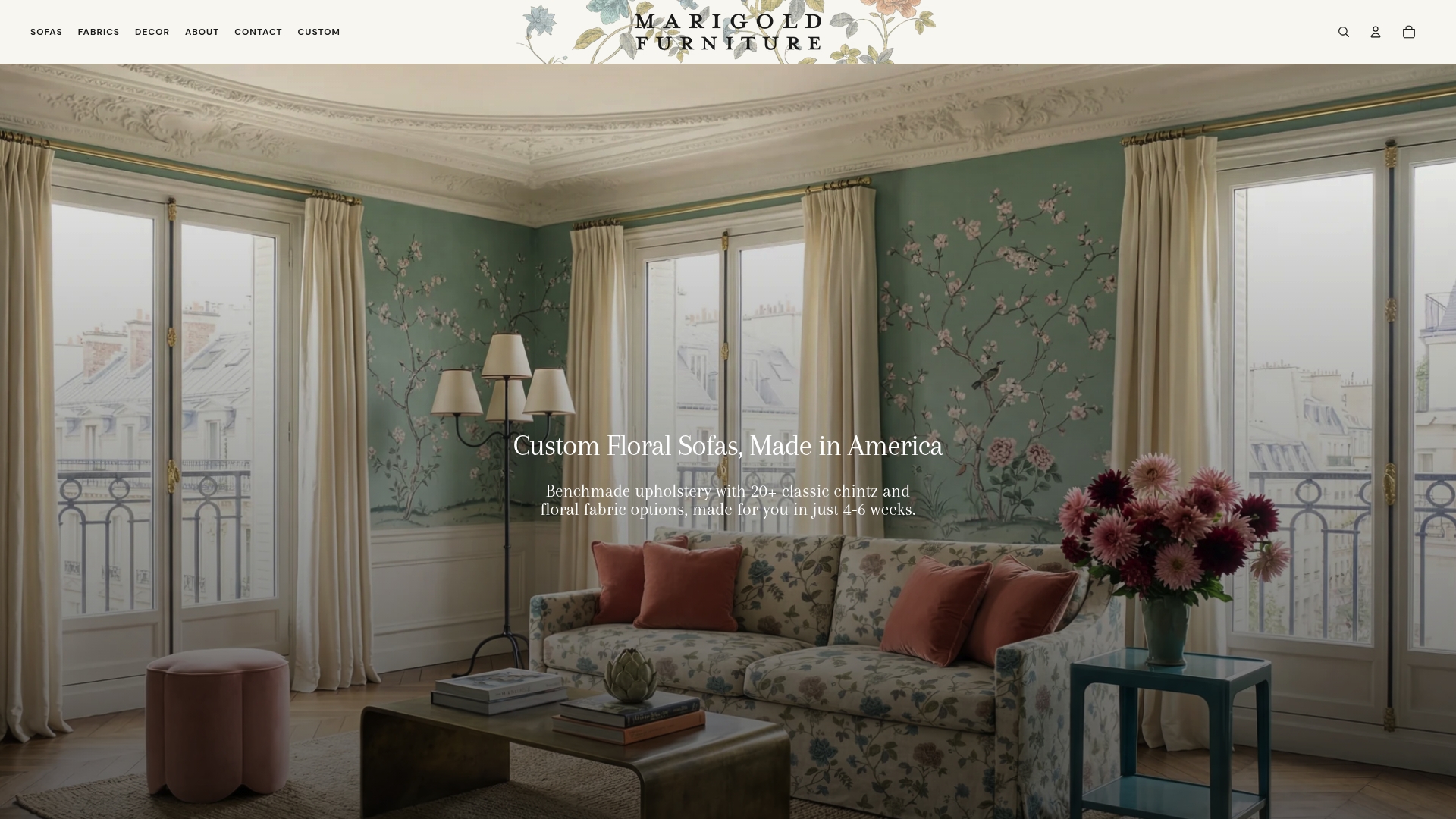
Every Marigold sofa is benchmade in Dallas and Los Angeles, with responsibly sourced materials and a 4–6 week delivery window for made-to-order pieces. The Florence Arched Floral Sofa is a strong example: its fabric construction is chosen to work with standard upholstery cleaning techniques, so maintaining its jewel-toned blooms over years of family life is genuinely achievable. For families who want beauty that holds up, Marigold’s custom floral sofa designs offer a starting point worth exploring.
FAQ
What is the safest upholstery cleaning method for most sofas?
Foam cleaning is the safest general method for most sofas because it uses minimal moisture and is gentle on a wide range of fabric types. Always confirm your sofa’s cleaning code before applying any product.
How often should upholstery be professionally cleaned?
Professional upholstery cleaning every 12–24 months is the recommended standard for most households. Families with pets or children benefit from annual cleaning to address embedded allergens and odors.
Can I use baking soda and vinegar to clean my sofa?
Baking soda absorbs odors effectively when sprinkled on dry fabric and vacuumed away after 15–20 minutes. White vinegar diluted with water can treat fresh stains on W-coded fabrics, but always spot test first to avoid dye transfer or fabric distortion.
Why does my sofa smell worse after I clean it?
Over-wetting during DIY cleaning leaves cushion cores damp, which encourages mold and mildew growth that produces persistent odors. Full airflow during drying, including around all sides of each cushion, prevents this problem.
What does the X cleaning code mean on upholstery?
An X code means the fabric accepts no liquid or solvent cleaning of any kind. Vacuuming is the only safe maintenance method, and any stain treatment requires professional assessment.