

Sustainable upholstery materials are fabrics and fibers that prioritize low environmental impact, durability, and chemical safety, making them the foundation of truly eco-friendly furniture. The most trusted sustainable upholstery materials types include organic cotton, hemp, linen, wool, Tencel, and recycled polyester, each certified by standards like the Global Organic Textile Standard (GOTS), OEKO-TEX Standard 100, or the Forest Stewardship Council (FSC). Choosing the right eco-friendly upholstery fabric means weighing durability, chemical safety, and environmental impact together. No single fiber wins on every measure, but understanding each one puts you in control of a purchase that lasts, looks beautiful, and sits lightly on the planet.
1. Organic cotton: the certified natural foundation
Organic cotton is the most widely recognized natural upholstery material, grown without synthetic pesticides and certified by GOTS to verify every step of the supply chain. GOTS certification is critical because the label alone is insufficient to confirm sustainability. A fabric can carry the word “organic” on its tag without any third-party verification. For upholstery, organic cotton works best in light-use applications: slipcovers, accent chairs, and decorative cushions where its soft hand and vivid dye uptake shine. It is not the most abrasion-resistant fiber, so pairing it with a tight weave or a blend extends its life considerably.
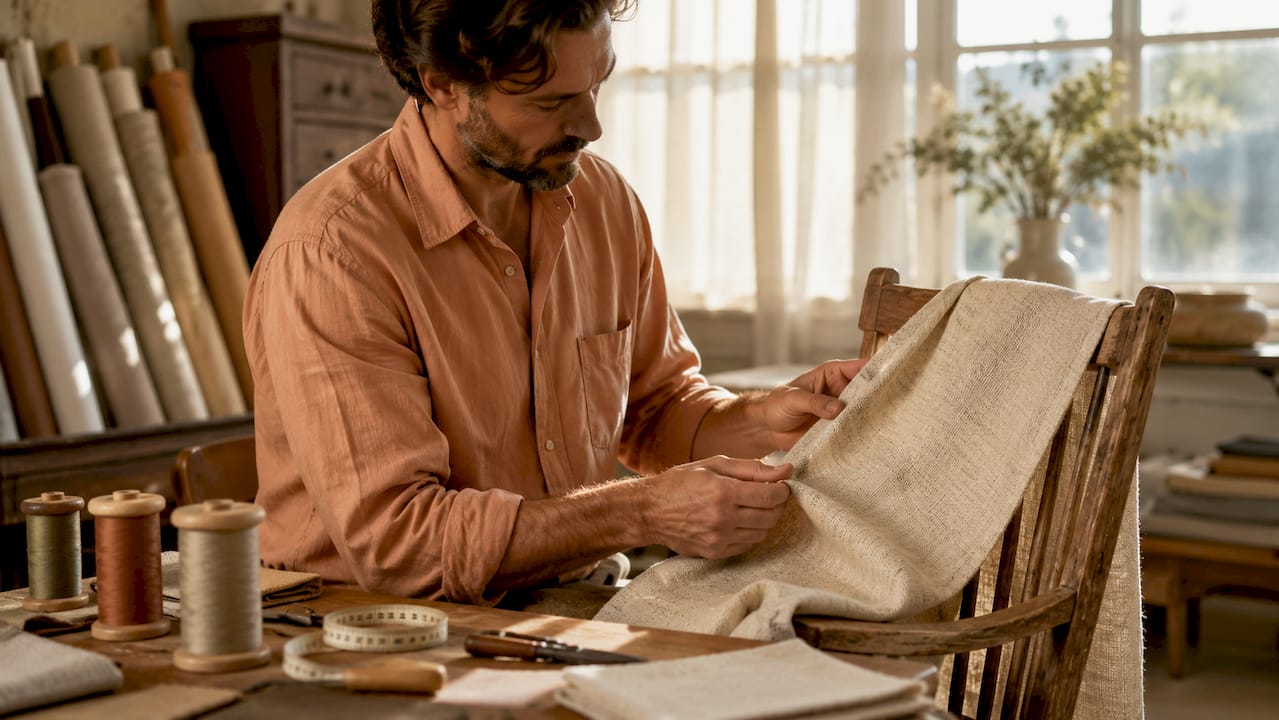
Pro Tip: When shopping for organic cotton upholstery, ask for the GOTS transaction certificate number. Any reputable supplier can provide it on request.
2. Hemp: the high-performance natural fiber
Hemp is the most durable plant-based upholstery fiber available, and it earns that title with very little environmental cost. Hemp and linen are low-input crops requiring minimal fertilizer and water, and both work well with natural dye finishes. Hemp fabric resists mildew, UV fading, and abrasion better than most natural fibers, which makes it a strong candidate for heavily used sofas, sectionals, and dining chairs. Its texture is slightly coarser than cotton, but modern processing techniques produce hemp blends that feel genuinely soft against skin. For designers specifying upholstery in family rooms or commercial hospitality settings, hemp delivers sustainability and longevity in the same yard of cloth.
3. Linen: the biodegradable classic that improves with age
Linen, woven from flax fibers, is one of the oldest upholstery textiles in the world, and its sustainability credentials are as strong as its heritage. Like hemp, flax requires very little water or chemical input to grow, and finished linen fabric is fully biodegradable at end of life. What makes linen genuinely special is that its tensile strength actually increases with washing and use, meaning a well-maintained linen sofa cover grows more supple and characterful over time rather than wearing out. Linen is ideal for cushion covers, throw pillow cases, and light upholstery in rooms with moderate traffic. Its natural, slightly textured surface pairs beautifully with botanical and floral prints, making it a favorite base fabric in heritage-inspired interiors.
4. Wool: renewable, flame resistant, and built to last
Wool is the only natural upholstery fiber that is inherently flame resistant without chemical treatment, a property that matters both for safety and for indoor air quality. Wool is naturally fire resistant, renewable, biodegradable, and highly durable when responsibly sourced and certified for animal welfare and traceability. That combination of properties makes it one of the most complete sustainable upholstery choices available. Wool upholstery does require professional cleaning for deep stains, and responsible sourcing certification, such as the Responsible Wool Standard (RWS), is worth verifying before purchase. For luxury sofas, armchairs, and statement pieces that need to perform for decades, wool is a material that rewards the investment.
5. Tencel and Lyocell: the closed-loop semi-synthetic
Tencel is the branded name for Lyocell fiber produced by Lenzing AG, and it represents the most environmentally responsible semi-synthetic textile in upholstery today. Its production uses a closed-loop solvent process that recovers and reuses over 99% of the chemicals involved, dramatically reducing water and chemical waste compared to conventional rayon or viscose. Tencel and hemp-blend velvet fabrics with OEKO-TEX 100 certification offer luxurious, non-toxic upholstery options that compete directly with conventional luxury textiles in both beauty and safety. Tencel has a smooth, silky hand that works well for upholstered headboards, accent chairs, and decorative cushions. Its durability is moderate, so it performs best in lower-traffic applications or when blended with stronger fibers like hemp or wool.
Pro Tip: Look for Tencel fabrics that carry both the Lenzing brand certification and OEKO-TEX Standard 100. The combination confirms both process sustainability and finished-fabric chemical safety.
6. Recycled polyester (rPET): diverting plastic from landfill
Recycled polyester is made from post-consumer plastics, lowering energy costs in production compared to virgin polyester. That is a genuine environmental benefit. Diverting plastic bottles and textile waste from landfill reduces the demand for petroleum-based raw materials, and rPET fabrics can be engineered for high abrasion resistance, making them practical for heavy-use upholstery. The honest limitation is that rPET is not biodegradable. End-of-life recycling for blended textiles remains a challenge across the industry. For designers and homeowners who need durability and stain resistance above all else, rPET is a credible choice, provided it carries OEKO-TEX Standard 100 certification to confirm it is free of harmful residual chemicals from the recycling process.
7. Chemical safety and certifications you need to know
OEKO-TEX Standard 100 certification means a fabric has been tested for harmful substances at every stage of production, from raw fiber to finished cloth. Conventional synthetic textiles often carry antimicrobial and stain treatments that contribute to ongoing indoor air pollution through VOC off-gassing. This matters because upholstered furniture sits in the rooms where people spend the most time. Stain repellents based on PFAS chemistry, synthetic flame retardants, and some antimicrobial finishes are the most common sources of chemical concern in upholstery fabrics. Checking for OEKO-TEX Standard 100 or GOTS certification on the finished fabric, not just the fiber, is the most reliable way to confirm chemical safety.
“Choosing non-toxic upholstery is not a compromise. Modern certified fabrics like OEKO-TEX Standard 100 textiles deliver the same beauty and performance as conventional options, without the chemical burden that affects indoor air quality for years after purchase.”
Pro Tip: Ask your supplier for the specific OEKO-TEX article number. Every certified product has one, and you can verify it directly on the OEKO-TEX website at no cost.
8. Durability as the most important sustainability factor
Durability is the single most important sustainability factor in upholstery, because a sofa that lasts 12–15 years has a fraction of the environmental footprint of one replaced every four years. Hemp and wool are the top performers for heavy-use durability among natural fibers, while linen strength improves with proper care over time. The table below shows how major sustainable fiber types compare across the factors that matter most for long-term performance.
| Fiber | Durability | Biodegradable | Best use case |
|---|---|---|---|
| Hemp | Very high | Yes | Heavy-use sofas, sectionals |
| Wool | Very high | Yes | Luxury upholstery, armchairs |
| Linen | High (improves with age) | Yes | Cushions, slipcovers |
| Organic cotton | Medium | Yes | Accent chairs, decorative covers |
| Tencel/Lyocell | Medium | Yes | Low-traffic seating, headboards |
| Recycled polyester | High | No | High-traffic, stain-prone settings |
Heavy-duty natural fibers like hemp and wool require engineering for abrasion resistance to be truly suitable for upholstery. Without a tight weave or a protective finish, early wear leads to premature replacement, which defeats the sustainability purpose entirely. Removable, washable covers and repairability are equally important: a sofa with a replaceable slipcover can outlast three conventionally upholstered pieces.
Pro Tip: When evaluating upholstery fabric durability, ask for the Martindale or Wyzenbeek abrasion test result. Residential upholstery should meet at least 15,000 Martindale rubs; heavy-use or commercial pieces should exceed 30,000.
9. Sustainable chintz fabric: heritage beauty with a green future
Chintz is a glazed cotton fabric with a centuries-long history in upholstery and home decor, and its sustainability story is more nuanced than most designers realize. The glossy surface of chintz is achieved by calendering with heat and pressure. Sustainable chintz uses starch-based coatings rather than synthetic resins, which influences both care requirements and long-term durability. Starch-based finishes are more eco-friendly than synthetic resin coatings but more delicate, meaning sustainable chintz needs gentle handling and dry cleaning or careful hand washing to preserve its sheen. Classic chintz fabrics carry genuine artisanal heritage value, and sustainable decor benefits from prioritizing ethically sourced, traditional patterns on natural fiber bases. For interior designers working with floral and botanical themes, sustainable chintz on an organic cotton base is a way to honor textile history while meeting modern environmental standards.
10. How to select the right eco-friendly upholstery fabric
Matching the right sustainable fabric to a project requires thinking about four factors together: traffic level, colorfastness, tactile feel, and total environmental impact. A fabric that looks beautiful but wears out in three years is not a sustainable choice, regardless of its fiber content. For high-traffic family rooms, hemp or rPET blends with verified abrasion ratings are the most practical options. For a formal sitting room or a statement accent chair, wool or linen rewards the investment with beauty that deepens over time.
Many sustainable furniture brands practice greenwashing by highlighting only face fabric sustainability while ignoring recycled content in structural elements. Consumers and designers should confirm recycled content percentage in the total product, not just the visible upholstery layer. Checking the upholstery fabric buying guide criteria below helps cut through vague marketing claims:
- Verify fiber certification: GOTS for organic natural fibers, OEKO-TEX Standard 100 for chemical safety on any fiber type.
- Confirm abrasion test results: Martindale or Wyzenbeek scores should match the intended use.
- Ask about the finish: starch-based or water-based finishes are preferable to synthetic resin or PFAS-based stain repellents.
- Check the full product: frame material, cushion fill, and structural components all contribute to the total sustainability profile.
Budget-friendly sustainable options include linen and organic cotton blends, which offer strong environmental credentials at accessible price points. Luxury sustainable options include certified wool, Tencel velvet, and heritage chintz on organic cotton bases. The family-friendly upholstery guide from Marigold Furniture offers additional guidance on matching fiber performance to household needs.
Key takeaways
The most durable, certified sustainable upholstery fabrics, including hemp, wool, linen, and OEKO-TEX-certified Tencel, deliver both environmental responsibility and long-term beauty when matched correctly to their intended use.
| Point | Details |
|---|---|
| Durability drives sustainability | Furniture lasting 12–15 years has far less environmental impact than short-lived pieces replaced every few years. |
| Certifications confirm claims | GOTS verifies organic natural fibers; OEKO-TEX Standard 100 confirms chemical safety across all fiber types. |
| Hemp and wool lead for heavy use | Both fibers offer very high abrasion resistance and are biodegradable, making them the top natural choices for sofas. |
| Greenwashing is common | Confirm sustainability across the full product, including frame, fill, and structural materials, not just the face fabric. |
| Sustainable chintz is a real option | Starch-based glazed organic cotton chintz honors textile heritage while meeting modern eco-friendly standards. |
Why I think “natural” is the most misleading word in upholstery
After years of working with upholstery fabrics, the word that raises my guard most is “natural.” Customers hear it and assume the fabric is automatically sustainable, non-toxic, and kind to the planet. The reality is more complicated. Conventional cotton is one of the most pesticide-intensive crops in the world. Wool from uncertified sources may carry chemical dip treatments. Even linen can be finished with synthetic resins that off-gas for months indoors.
The shift I have seen in the best sustainable upholstery work is a move toward thinking about the full product lifecycle, not just the fiber. A sofa built on a sustainably harvested hardwood frame, filled with natural latex cushioning, and covered in GOTS-certified organic cotton or OEKO-TEX-certified Tencel is genuinely sustainable. A sofa with a “natural linen” face fabric over a particleboard frame and polyurethane foam fill is not, regardless of how the marketing reads.
The trend I find most exciting right now is the rise of non-toxic luxury fabrics. Hemp velvet, certified wool bouclé, and sustainable chintz on organic cotton bases prove that choosing responsibly sourced materials no longer means settling for less beauty. That is the standard worth holding every purchase to.
— Kevin O’Gara
Marigold Furniture’s approach to sustainable handcrafted upholstery
At Marigold Furniture, sustainable upholstery is not a trend to follow. It is the foundation every piece is built on, from the responsibly sourced fabrics to the benchmade craftsmanship carried out in Dallas and Los Angeles.
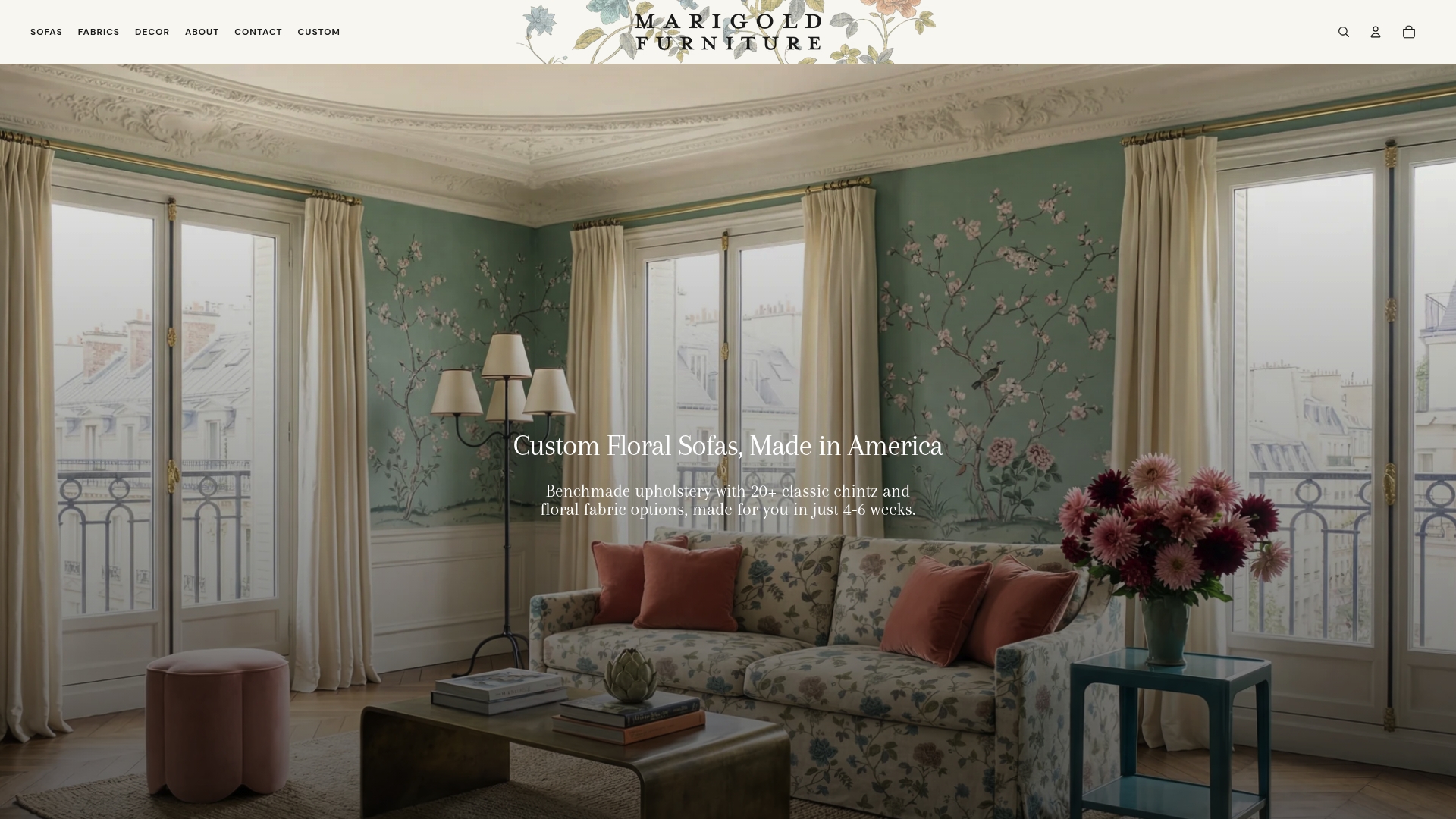
The Florence Arched Floral Sofa is a beautiful example of what sustainable artisanal upholstery looks like in practice: handcrafted construction, over 20 chintz and floral fabric choices, and a 4–6 week made-to-order delivery window that reflects genuine care at every stage. For designers and homeowners who want to see the full picture of how Marigold Furniture approaches materials and manufacturing, the sustainability practices page details the commitments behind every piece. Good upholstery should anchor a room for decades, and the right fabric choice is where that story begins.
FAQ
What are the most durable sustainable upholstery fabrics?
Hemp and wool are the most durable natural sustainable upholstery fabrics, both rated for heavy-use applications and fully biodegradable. Recycled polyester (rPET) offers comparable durability for high-traffic settings but is not biodegradable.
What does OEKO-TEX Standard 100 mean for upholstery fabrics?
OEKO-TEX Standard 100 certifies that a fabric has been tested and found free of harmful chemical substances at every production stage. It applies to any fiber type, making it the most practical certification to check for chemical safety in finished upholstery.
Is sustainable chintz fabric a real option for sofas?
Sustainable chintz uses starch-based glazing on organic cotton rather than synthetic resin coatings, making it a genuinely eco-friendly choice. It requires gentle care to preserve its sheen but delivers authentic heritage beauty on a natural fiber base.
How do I avoid greenwashing when buying sustainable upholstery?
Check certifications on the finished fabric, not just the fiber label, and ask about the full product including frame, fill, and structural materials. GOTS and OEKO-TEX Standard 100 certificates can be verified directly with the certifying body using the article or transaction number.
What is the difference between Tencel and conventional viscose?
Tencel (Lyocell) uses a closed-loop production process that recovers over 99% of its solvents, while conventional viscose releases significant chemical waste into waterways. Both are semi-synthetic cellulose fibers, but Tencel’s production process is far less environmentally damaging.