

Arm style is a defining structural element in sofa design, shaping everything from how a room feels at first glance to how comfortably you sink in after a long day. The role of arm style in sofa design goes far beyond decoration. It controls visual weight, seating width, ergonomic support, and the emotional tone of an entire living space. Whether you are drawn to the sweeping curves of an English roll arm or the clean geometry of a track arm, that single design choice quietly sets the room’s rhythm. Understanding that rhythm is what separates a beautiful room from a truly livable one.
How does arm style affect sofa scale and room perception?
Arm style determines room scale perception more directly than most homeowners realize. Slim arms increase seating width on a standard sofa by 8–12 inches without adding a single inch to the sofa’s total length. That difference is the gap between comfortably seating three adults and squeezing in only two.
Track arms, which are flat, vertical, and minimal in profile, are the clearest example of this principle at work. They hug the sofa’s frame tightly, leaving more visual breathing room and more actual seat space. In a smaller living room or an apartment, that openness reads as calm rather than cramped.
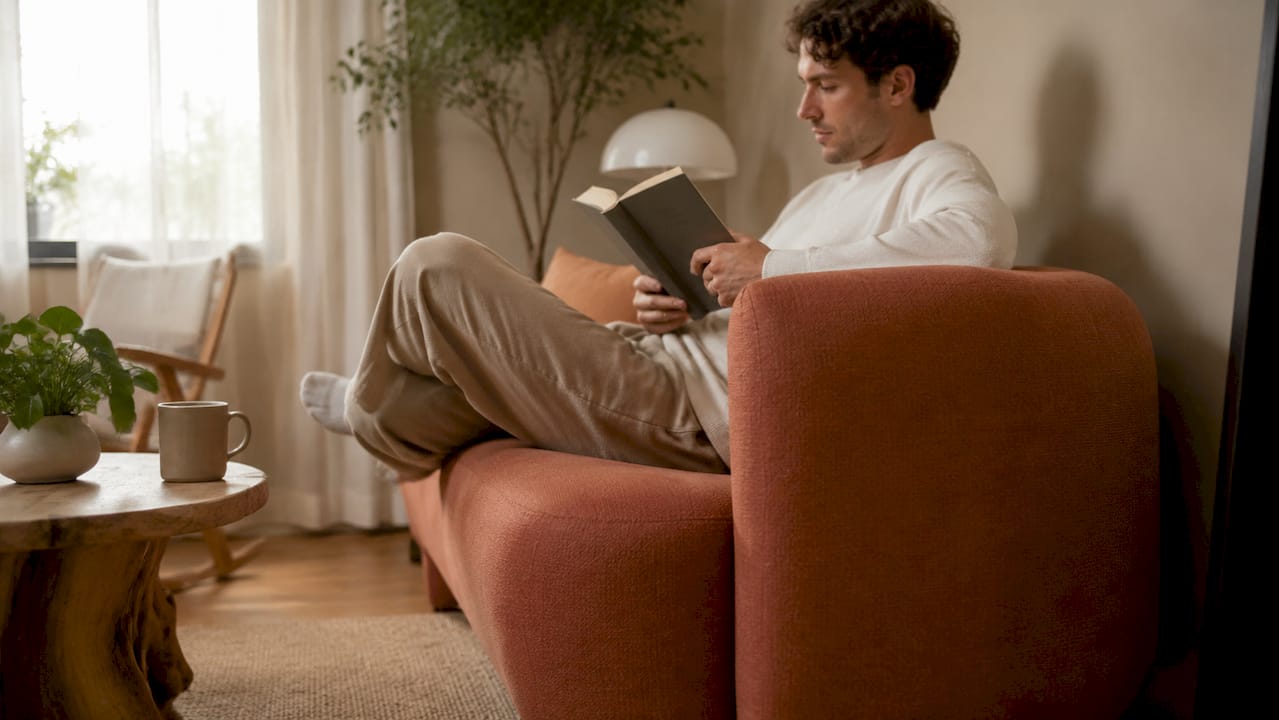
Bulky rolled arms and high-profile English roll arms tell a different story. They bring warmth, grandeur, and a sense of heritage to a room, but they also consume floor space and reduce usable seat width. Narrow arms are preferred in small rooms precisely because they preserve both visual and physical space. In a generously proportioned room, however, a full rolled arm becomes an anchor, giving the sofa the presence it needs to hold its own against high ceilings and large windows.
Pro Tip: Before buying, tape out the sofa’s full footprint on your floor, including arm width. You will immediately see how much floor space the arms consume and whether the room can absorb it.
| Arm style | Visual weight | Seating width impact | Best room size |
|---|---|---|---|
| Track arm | Light | Maximizes seating area | Small to medium |
| English roll arm | Heavy | Reduces seating width | Large, formal rooms |
| Rolled arm | Medium to heavy | Moderate reduction | Medium to large |
| Flared arm | Medium | Slight reduction | Medium, transitional |
| Pillow-top arm | Medium | Moderate reduction | Medium, casual rooms |
What role does arm height play in comfort and ergonomics?
Arm height is the ergonomic variable most buyers overlook entirely. Lower arms support lounging and relaxed atmospheres, pairing naturally with deep seat cushions where you sink back and stretch out. Higher arms promote upright sitting and formal aesthetics, aiding posture in shallower seats with depths in the 85–95 cm range.
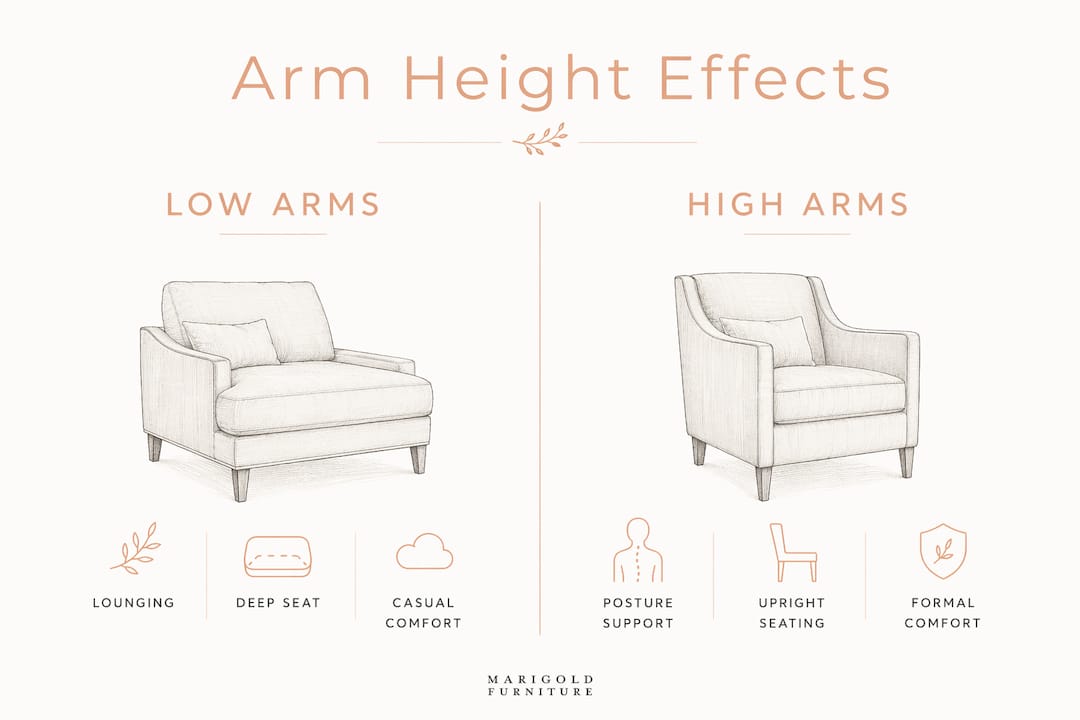
The relationship between arm height and seat depth is what makes or breaks daily comfort. A deep sofa with high arms forces your body into an awkward position, with your back unsupported and your arms hovering. A shallow sofa with low arms offers little support for reading or working. Getting this balance right means thinking about how you actually use your sofa, not just how it looks in a showroom.
Arm height influences room proportions as well. High arms command presence and structure, making a sofa feel like a piece of furniture with authority. Low arms open space and soften ambiance, giving a room a more relaxed, gathered quality.
Here is what to consider when evaluating arm height for your lifestyle:
- Lounging and napping: Choose low arms that allow your head to rest naturally without a pillow propped underneath.
- Reading and working: Mid-height arms provide elbow support without forcing your shoulders up.
- Formal entertaining: High arms create a structured, upright posture that suits conversation-focused seating.
- Families with children: Lower arms with rounded profiles reduce sharp edges and invite casual, flexible use.
- Multi-use spaces: A mid-height arm balances comfort and structure for rooms that shift between casual and formal use.
Pro Tip: Sit in a showroom sofa for at least five minutes, leaning your arm naturally on the armrest. Testing sofa arms this way reveals pressure points and height mismatches that a quick sit never will.
Comparing popular sofa arm types: which style suits you?
Each arm type carries a distinct personality, and knowing that personality helps you match the sofa to your room and your life.
English roll arm
The English roll arm is the most recognizable traditional arm style. It curves outward and slightly downward from the sofa’s back, creating a generous, rounded silhouette. This arm style reads as formal and heritage-rich, at home in rooms furnished with antiques, chintz fabrics, and layered textiles. It is not the most practical arm for napping since the outward curve does not cradle the head as naturally as a fully rolled arm, but it is unmatched for visual drama and period authenticity.
Rolled arm
The rolled arm is softer and more symmetrical than the English roll. Rolled arms provide a built-in pillow effect for comfortable napping but consume more space visually and physically. If your sofa doubles as a reading nook or afternoon rest spot, the rolled arm earns its footprint. It suits traditional and transitional rooms equally well, and it pairs beautifully with floral and botanical upholstery fabrics.
Track arm
The track arm is the defining arm of contemporary sofa design. It is flat, straight, and flush with the sofa’s back, creating a clean geometric line. Slim track arms maximize seating area while maintaining a slender visual profile, making them ideal for small spaces and modern interiors. The tradeoff is comfort. Flat-edged arm styles can reduce napping comfort unless supplemented by pillows, whereas rolled arms naturally provide ergonomic rest points.
Flared arm
The flared arm angles outward slightly from base to top, blending modern and traditional sensibilities. Flared arms provide subtle elegance without overpowering the sofa’s silhouette. Some flared designs are multi-piece constructions with varying arm edges, which requires careful consideration when choosing upholstery that must wrap cleanly around the shape. This arm style suits transitional rooms that want warmth without committing fully to a traditional look.
Pillow-top arm
The pillow-top arm features a padded, cushioned surface on top of the arm frame. It is the most casual of the major arm types, prioritizing tactile comfort over architectural precision. It works well in family rooms and relaxed living spaces where softness and approachability matter more than formal structure.
| Arm type | Aesthetic mood | Comfort strength | Ideal use case |
|---|---|---|---|
| English roll | Traditional, formal | Moderate | Formal living rooms, period interiors |
| Rolled | Classic, cozy | High for napping | Transitional rooms, reading nooks |
| Track | Modern, minimal | Moderate, needs pillows | Small spaces, contemporary rooms |
| Flared | Transitional, elegant | Moderate | Mixed-style rooms |
| Pillow-top | Casual, relaxed | High for lounging | Family rooms, casual spaces |
How to select the right sofa arm style for your space
Choosing the right arm style is a process of matching design intent to real-life use. Work through these four considerations before committing to a sofa.
-
Assess your room’s scale. Measure ceiling height and floor area before you shop. A room with 9-foot ceilings and generous square footage can carry a high-arm English roll sofa without feeling heavy. A room with standard 8-foot ceilings and limited floor space benefits from a track or slope arm that keeps the visual line low and open. The role of sofa proportion in luxury rooms is well documented: oversized arms in a small room create visual clutter, while undersized arms in a grand room feel timid.
-
Define your primary sofa use. A sofa used mainly for evening lounging calls for low to mid arms with a rolled or pillow-top profile. A sofa anchoring a formal sitting room calls for higher, firmer arms that keep guests upright and attentive. Be honest about how you actually live in the space, not how you imagine you will.
-
Consider your upholstery fabric. Arm style and fabric work together to set a room’s emotional tone. A rolled arm in a jewel-toned chintz reads as lush and celebratory. A track arm in a linen weave reads as calm and edited. At Marigold Furniture, the custom floral sofa design process pairs arm profile with fabric choice deliberately, because the two decisions are inseparable.
-
Test before you commit. Sit in the showroom sofa for several minutes. Rest your arm naturally. Notice whether your shoulder rises uncomfortably or whether your elbow finds a natural resting point. Clients often prioritize aesthetics over ergonomics, and that mistake shows up months later as daily discomfort.
The quiet power of arm style: a personal view
I have watched homeowners spend weeks agonizing over fabric and finish, then choose an arm style in thirty seconds because it “looked right” in the showroom. That is the most common and most costly mistake in sofa buying.
Arm style is the conductor of daily sofa interaction. It sets the posture you assume, the way guests arrange themselves, and the emotional register of the room. A high, firm arm tells a room to sit up straight. A low, rolled arm invites everyone to settle in and stay awhile. Neither is wrong. Both are powerful. The error is choosing without intention.
What I have learned from years of working with upholstered furniture is that the arm style you love in a showroom is not always the arm style you love six months later. The sofa that photographs beautifully with its sharp track arms may feel cold and uninviting on a winter evening when you want to rest your head and read. Conversely, the grand rolled arm that feels luxurious in a showroom may overwhelm a modest room at home. Test the arm. Live with the proportions. Let function lead, and let beauty follow.
— Kevin O’Gara
Marigold Furniture sofas that show arm style at its finest
Arm style is not an afterthought at Marigold Furniture. Every sofa in the collection is benchmade in Dallas and Los Angeles, with arm profile chosen as deliberately as fabric and finish.
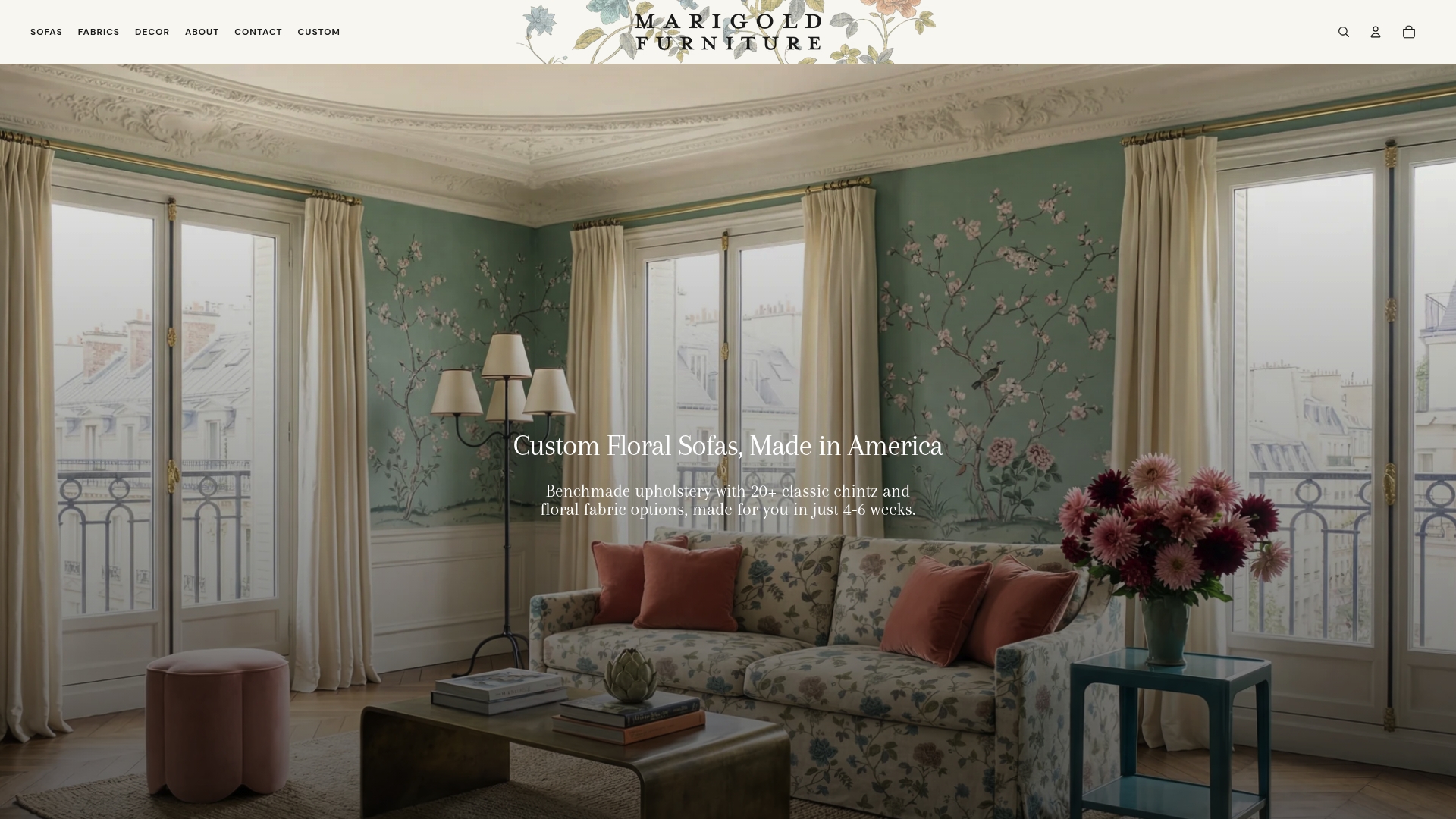
The Florence Arched Floral Sofa is the clearest expression of this philosophy. Its arched arms create a graceful, structured silhouette that anchors a room without overwhelming it, and the floral upholstery options amplify that sense of living beauty. For a more relaxed contemporary line, the Giverny Slope-Arm Floral Sofa demonstrates how a sloped arm softens a room’s geometry while keeping the profile clean. The Ravello, our skirted floral sofa, pairs slim 3.5-inch arms with a tailored skirt, and the Granada floral sofa with brass legs uses subtly shaped arms for a mid-century line. Each piece ships within 4–6 weeks, made to your specifications from over 20 chintz and floral fabric choices.
Key takeaways
Arm style is the single sofa design decision that simultaneously controls visual weight, seating capacity, ergonomic comfort, and a room’s emotional tone.
| Point | Details |
|---|---|
| Arm width affects seating capacity | Slim arms add 8–12 inches of usable seating width on a standard sofa. |
| Arm height drives daily comfort | Match arm height to seat depth and your primary sofa use before buying. |
| Each arm type has a distinct mood | Rolled arms invite rest; track arms signal modernity; English roll arms command formality. |
| Room scale guides arm profile choice | Small rooms need narrow arms to preserve visual and physical breathing room. |
| Fabric and arm style work together | The combination of arm profile and upholstery sets the room’s emotional register. |
FAQ
What is the role of arm style in sofa design?
Arm style controls a sofa’s visual weight, seating width, ergonomic support, and the emotional tone it brings to a room. It is one of the most functionally significant design decisions in sofa selection.
Which sofa arm style works best for small rooms?
Track arms and slope arms work best in small rooms because they reduce visual bulk and add 8–12 inches of usable seating width compared to rolled or English roll arms.
Do sofa arms affect comfort?
Arm height and shape directly affect posture and daily comfort. Lower arms suit lounging and deep seats, while higher arms support upright sitting in shallower sofas.
What is the difference between a rolled arm and an English roll arm?
A rolled arm curves symmetrically and provides a natural headrest for napping. An English roll arm curves outward and downward from the sofa back, creating a more dramatic, formal silhouette with less napping support.
How do I choose between traditional and contemporary sofa arm styles?
Match the arm style to your room’s existing design language and your daily use. Traditional rooms with layered textiles suit rolled or English roll arms. Modern, minimal rooms suit track or slope arms. Transitional rooms work well with flared arms that blend both sensibilities.